
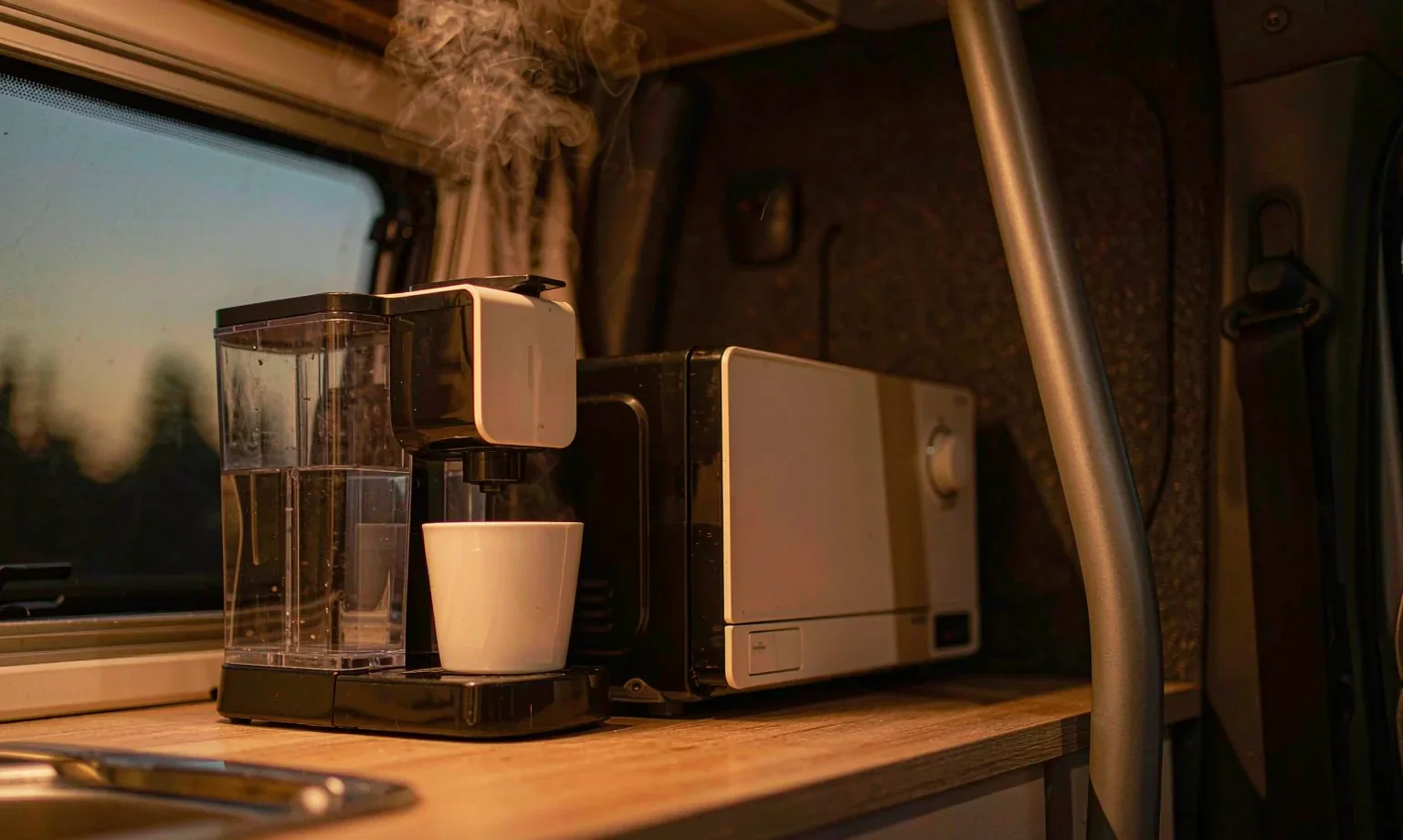
A long-haul driver parked at a rest stop does not want the engine idling just to reheat a meal, brew a cup of coffee, or watch TV in the sleeper. Those are all 120V AC appliances, but a truck's batteries deliver 24V DC. A 3000W pure sine wave power inverter for semi truck turns 24V battery power into clean 120V AC, so you can run AC appliances with the engine off and burn no fuel. This guide works out what that 3000W unit can actually run at the same time. The same math holds for any inverter for tractor trailer, because both run on 24V DC and need 120V AC for appliances. We also cover why a pure sine wave matters and why a 24V eAPU-specific inverter is steadier than a generic one.
Introduction: you want to cook and watch TV while parked, but the truck is 24V DC
The appliances you use while parked are almost all built for a household outlet: microwave, coffee maker, TV, laptop adapter, phone charger. They need 120V AC, but the truck battery supplies 24V DC. The step in between is filled by an inverter, which converts 24V DC into clean 120V AC.
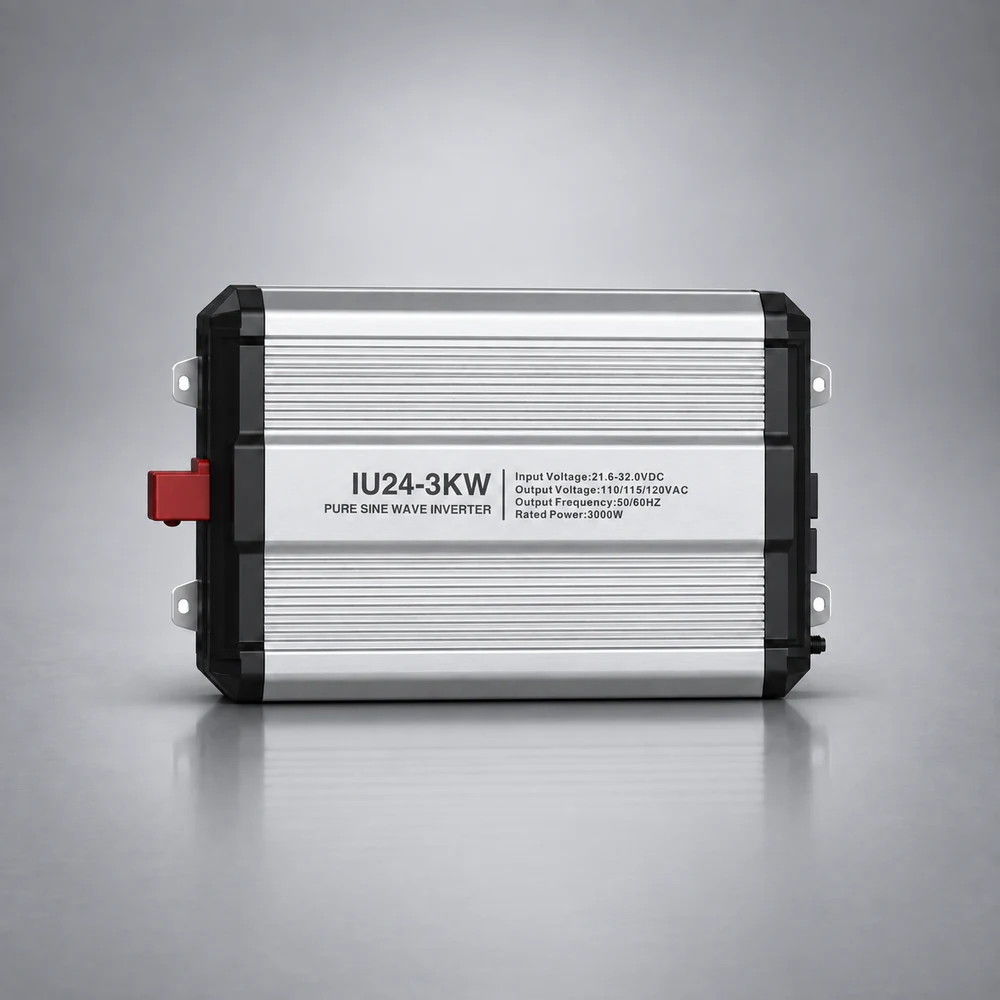
Not just any inverter suits life on the road. A semi truck's parked load has its own character: more than one appliance runs at once, some have motors, and some are sensitive to waveform. This article focuses on the WeVolt IU24-3KW, a 3000W pure sine wave inverter for semi truck, and shows with real wattage what a 3000W unit can actually carry. Owners weighing an inverter for tractor trailer will find the same math, since both draw from 24V DC. We then explain why it is built for a 24V eAPU.
What a 3000W inverter can run in a semi truck (appliance wattage list)
A 3000W semi truck power inverter is built around two numbers: continuous and surge. The WeVolt IU24-3KW is rated at 3000W continuous and 6000W surge, takes 24V DC in, and puts 100/110/115/120V AC out. Below are typical continuous wattages for common 120V appliances you use while parked (the appliance nameplate is final for your unit):
Add the appliances you usually run together and look at a few real combinations:
- Microwave 1000W + TV 100W + laptop 80W ≈ 1180W: far from 3000W, plenty of headroom, add phone and fridge with room to spare.
- Microwave 1000W + coffee maker 1000W ≈ 2000W: within 3000W but near the top, keep margin and do not stack another heavy load.
- Parking AC 1000W (24V direct) + microwave 1000W + TV 100W: the AC does not pass through the inverter, but count it in the whole-vehicle budget; the battery must last the night.
These are typical continuous values; your appliance nameplate is final. Motorized and compressor loads (coffee pump, fridge compressor) have inrush that briefly exceeds the running wattage. The 6000W surge rating is there to absorb that inrush, not to deliver continuous power.
Leave headroom: when several high-wattage appliances run together, add their wattages and keep 20–30% in reserve. Do not treat 3000W as unlimited load. This article covers what the inverter can carry; how long the whole system lasts also depends on battery capacity and how long the AC runs.
Why pure sine wave: THD<4% protects the control boards
It uses SPWM modulation to output a pure sine wave with harmonic distortion THD<4% measured under a purely resistive load. Microwave control boards, laptop adapters, and the switching power supplies inside TVs are waveform-sensitive; on a pure sine wave they behave like they would on utility power, with no errors, no odd heating, and no hum in the TV.
Compare a modified sine wave inverter: its stepped approximation makes motors run hotter, sensitive gear may alarm, and audio picks up a hum. When you are powering precision gear, pure sine wave is the steadier choice.
THD<4% is the figure under a purely resistive load. With motor or rectifier loads the harmonics run higher, so we do not promise less than 4% on every load. We state it at the tested condition.
Bigger is not always better: the point of a 24V eAPU-specific inverter
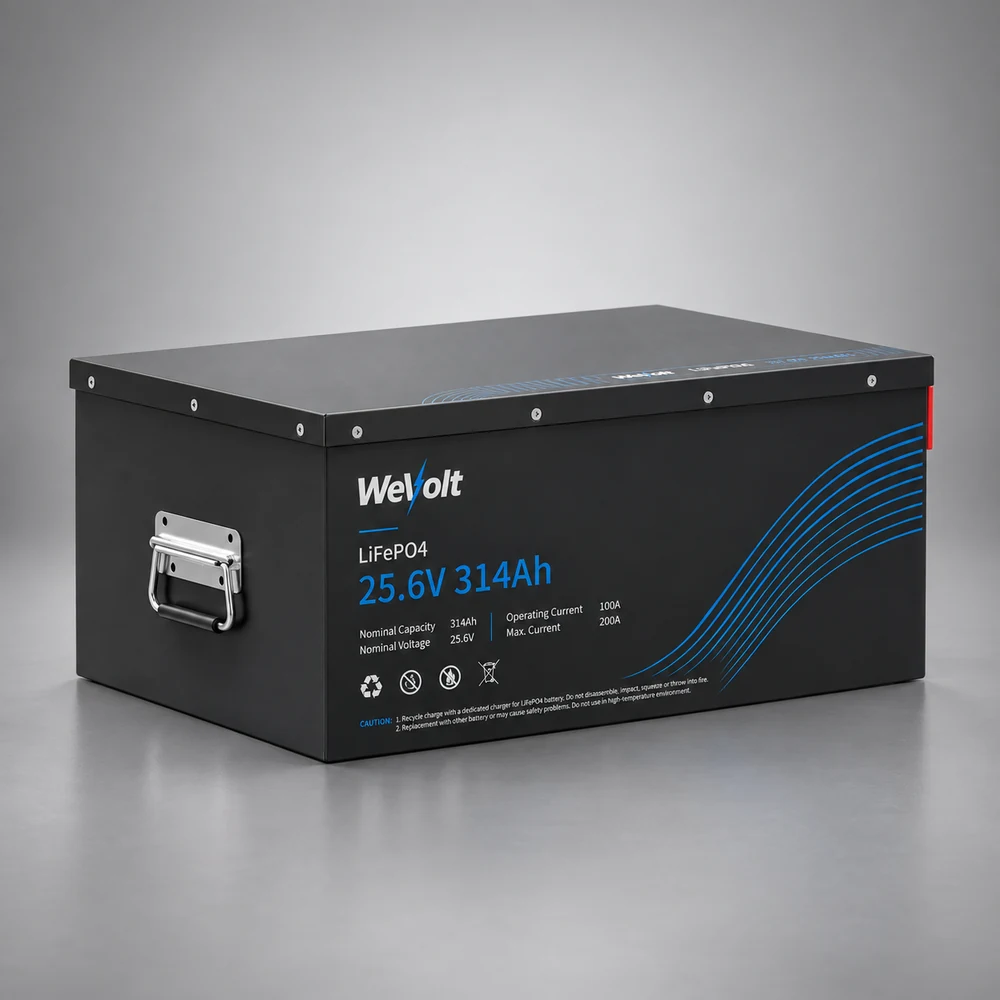
Rated wattage is only one line in the spec. The IU24-3KW is tuned for a 24V LiFePO4 eAPU system: lithium-battery friendly, with surge protection, on the same platform as the system's LiFePO4 battery and bidirectional DC-DC charger. It is the optional AC output module of the WeVolt Apex eAPU, added when you buy the full system or used on its own.
Buy any 24V 3000W power inverter for semi truck off the shelf and you still have to source the battery and AC separately, size the cable yourself, and hope the waveform is clean. The value of a 24V eAPU-specific unit is that it is verified as a set: battery, AC, charger, and inverter matched on one 24V platform, not four parts each doing their own thing.
The model behind this guide: IU24-3KW specs, protections and install notesIn the WeVolt Apex eAPU, the inverter is an Optional add-on. Buying the inverter alone versus adding it to an eAPU kit changes pricing and compatibility; see the official page or ask us. This article covers the unit's own performance and does not set kit pricing.
Boundary, stated plainly: the inverter is one-way (24V DC to 120V AC). Charging the battery, or moving energy between the 24V and 12V banks, is the job of the bidirectional DC-DC charger (WTDC-12-24V-50A). One is power out, the other is power in and scheduling between the two. They are not the same.
The real math of running several appliances at once (leave headroom)
Before you buy any semi truck power inverter, run this three-step estimate:
- Step 1: list the appliances you usually run together (microwave, TV, laptop, coffee maker).
- Step 2: add their rated continuous wattages.
- Step 3: compare against 3000W continuous / 6000W surge and keep 20–30% in reserve. If over, stagger use instead of stacking.
Back to the combinations from section 1: microwave 1000W + TV 100W + laptop 80W ≈ 1180W leaves ample margin; microwave 1000W + coffee maker 1000W ≈ 2000W sits near the ceiling, so phones and TV still fit but do not add another heavy load. When totaling, count motor inrush as surge, not continuous, so the reserve lands right.
The air conditioner (~1000W) runs on 24V direct and does not pass through the inverter, but it draws from the same battery. To judge enough for the night, fold the AC into the battery-capacity budget; do not look only at the inverter's 3000W.
The step-by-step sizing method: continuous watts, surge, DC amps, battery and wire gaugeAgainst generic RV/van 3000W units: the difference and the honest boundaries
Plenty of 24V 3000W pure sine wave units on the market are built generic for RV, van, and truck. The WeVolt IU24-3KW differs at the system level:
- 24V eAPU-specific: matched and verified on the same platform as the LiFePO4 battery and bidirectional DC-DC charger, not a lone generic unit.
- Pure sine wave THD<4%: friendly to microwave control boards, laptops, and TV supplies.
- WeVolt Apex eAPU Optional module: one part of the whole eAPU, added as an option.
- Bluetooth monitoring + RS485/TTL + multiple protections: battery over/under-voltage, overload/short-circuit, over-temperature; a phone app shows runtime data.
Honest note: no reverse polarity protection, do not reverse the input. The spec sheet states this plainly. Reversing input polarity permanently damages the unit, so this is the hardest installation warning and we put it up front, for you. Some inverters on the market do have reverse polarity protection; this one does not, and we say so rather than hide it. Disconnect vehicle power and confirm battery polarity before wiring.
Enclosure rating is IP20; mount inside the cab or an equipment bay, not outdoors or in the rain. The spec sheet does not print this model's dimensions, so confirm the footprint from the product manual before install; we are not going to invent a number here.
All four types of unit side by side, plus vibration and installation criteriaFitting into the eAPU system: with the battery, DC-DC, and AC
Alone it is an inverter; inside the system it is one link of the WeVolt Apex eAPU. The whole set has four matched parts:
- House battery: stores 8.04 kWh, discharges to the AC and other loads.
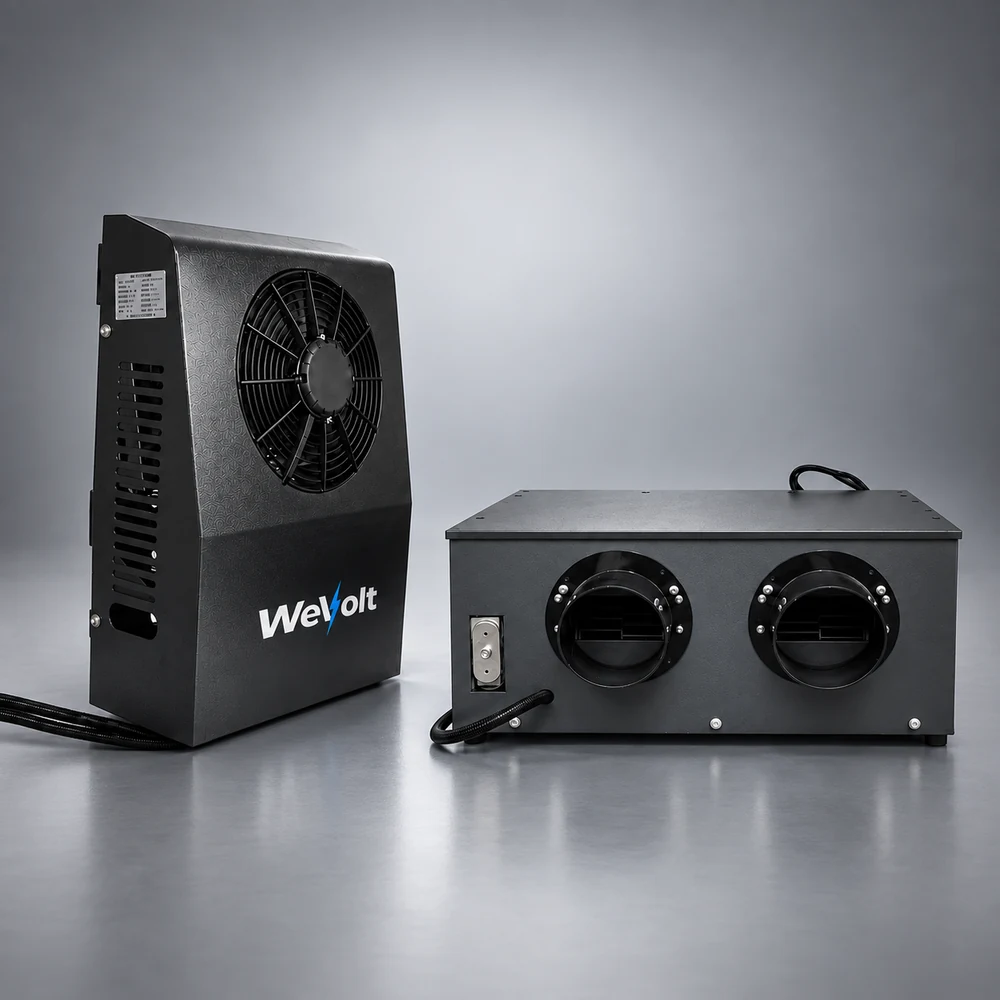
- Parking AC: 24V variable-speed heating and cooling, sleeper climate with the engine off, fed on 24V direct, not through the inverter.
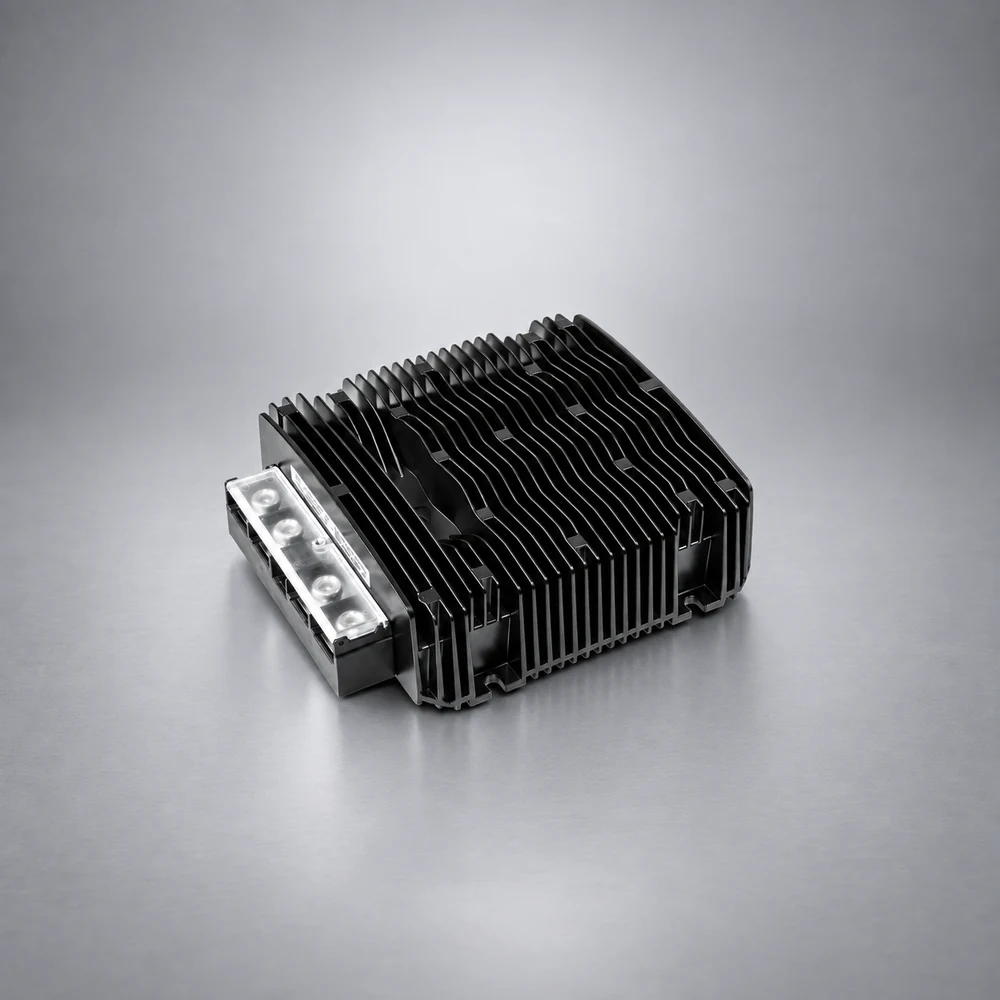
- Bidirectional DC-DC charger: charges the house bank while driving and, when parked, puts up to 14.4V/100A back into the starter battery.
- Pure sine wave inverter (the subject here): turns 24V into 120V for mains appliances.
These four are matched and verified on one 24V platform before they leave the factory. With the engine off you get sleeper cooling, clean power for laptop and TV, and a starter battery that does not go flat, as one system, not something a single inverter can promise alone.
To see how each matched part is chosen and installed, look at the parking battery, parking AC, and bidirectional DC-DC charger separately, or see the WeVolt Apex eAPU system plan. For the inverter's full specifications, see the pure sine wave inverter product page.
Summary and next steps
A 3000W pure sine wave inverter in a semi truck can run microwave, coffee maker, TV, and laptop together; the key is to total the load and leave headroom. The WeVolt IU24-3KW is a 24V eAPU-specific unit: 3000W continuous, 6000W surge, THD<4%, Bluetooth monitoring, no reverse polarity protection (confirm polarity before wiring), IP20 for indoor mount.
Three things to keep: first, pure sine wave THD<4% is friendly to precision gear; second, 3000W is not the whole story, the 24V-specific unit's value is in being verified as a set; third, no reverse polarity protection is a hard warning, so confirm polarity and mount indoors. To go further:
IU24-3KW full component specsThe WeVolt Apex 24V eAPU systemQuotes and parts: [email protected]
References
- WeVolt product data: IU series 1–3kW high-frequency pure sine wave unidirectional inverter spec summary (IU24-3KW: 24V DC, 3000W/6000W surge, 100–120V AC, THD<4%, PF 0.2–1, efficiency >90% / max >93.5%, standby <0.13A / no-load <1.2A, 6.5kg, <60dB, IP20, −20~60°C, CE/ROHS/IEC62109, 14 ports, no-reverse-polarity note, dimensions per manual).
- WeVolt Apex eAPU system overview: IU24-3KW is the system's Optional AC output module.
- WeVolt C-Series component manual: IU24-3KW entry (3000W / 6000W surge / default 120V) consistent with the spec.
- WeVolt Apex eAPU official parts list: IU24-3KW listed as Optional.
- Voice of Customer: lithium-friendly, Bluetooth monitoring, ECO savings, pure sine wave friendly to precision gear.
This article is a product description. Dimensions follow the product manual; efficiency curves, certifications, and install fit follow the formal spec sheet or confirmation from us. Legal entity and registered address are on the official page.