
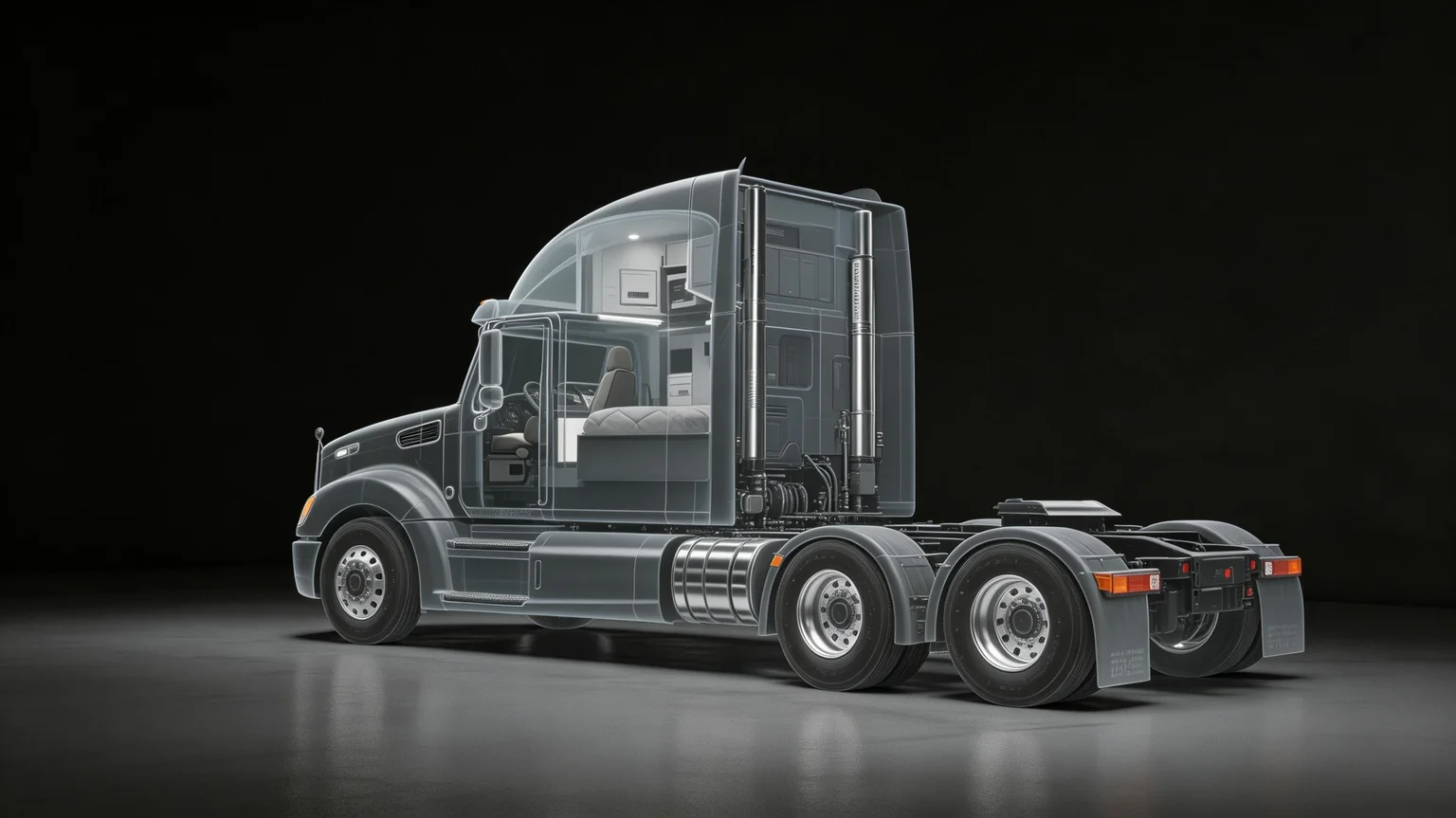
When a truck is parked at a rest stop, the cab is still a living space. You want to run a laptop, charge phones, make coffee, sometimes even a medical device. All of those draw 120V AC, but the truck battery stores 24V DC. An inverter bridges that gap: it turns 24V DC into clean 120V AC. This article walks through the WeVolt IU24-3KW, a pure sine wave inverter for truck and sleeper-cab use, and explains what it is, why a clean wave matters, what a 3000W inverter can actually run, and why it is built for a 24V eAPU system, down to saving power and staying safe to install.
Intro: why a parked truck needs an inverter
Most things you use while parked were designed for a wall outlet: laptop adapters, phone chargers, rice cookers, coffee makers, even oxygen concentrators. They need 120V AC. The truck battery gives 24V DC. The inverter is what closes that gap. But not just any inverter will do. Parked loads mix motor-driven gear and sensitive electronics, and a dirty waveform makes them run hot, throw faults, or burn out early. This article focuses on the WeVolt IU24-3KW pure sine wave inverter, and takes you from specs and waveform quality through loads, power saving, and safe installation.
What this inverter is
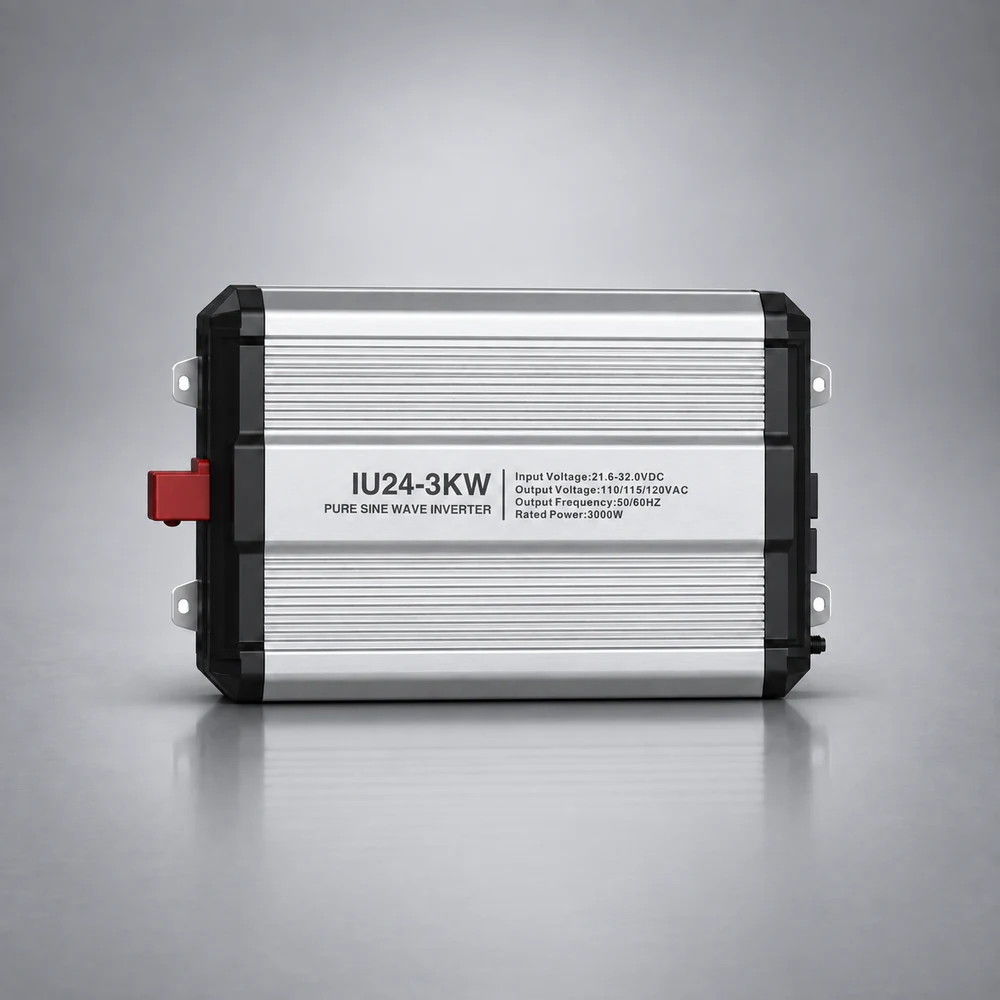
The WeVolt IU24-3KW is a high-frequency pure sine wave inverter, and it runs in one direction only: it steps 24V DC up to 120V AC for AC loads. Input is 24VDC (range 21.6 to 32VDC). Output is 100/110/115/120VAC (±3%) at 50 to 60Hz. Rated power is 3000W with a 6000W surge. The waveform is pure sine, with THD under 4% at a purely resistive load. It is the AC output module in the WeVolt Apex eAPU system, offered as an option. In plain terms, it is the part of the WeVolt Apex eAPU that turns battery DC into clean 120V AC for parked appliances.
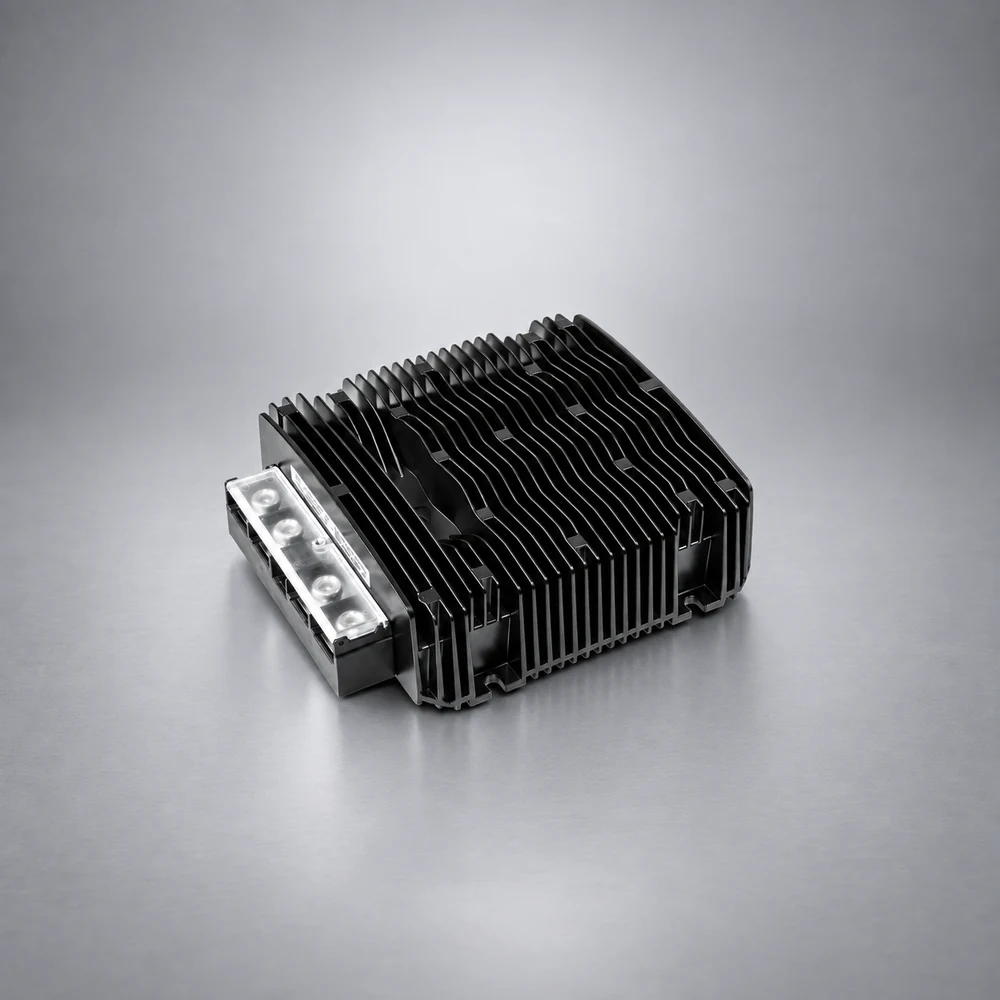
This 24V inverter converts one way only, and that is the boundary to keep straight. Charging the battery, or moving energy between the 24V and 12V banks, is the job of the bidirectional DC-DC charger (WTDC-12-24V-50A). They are not the same device, so don't confuse them: one sends power out, the other manages charging and shuttles between banks.
Spec sheet at a glance
The table below lists the confirmed specs for this 3000W inverter.
Enclosure rating is IP20, meant for inside the cab or an equipment bay, not for open air or rain. Don't lump it in with the outdoor-rated parts of the system. The spec sheet does not print dimensions for this model, so check the product manual for the footprint before you mount it.
Why pure sine wave matters
For a pure sine wave inverter for truck use, waveform quality is the whole point. The IU24-3KW uses SPWM modulation to produce a pure sine wave, with THD below 4% measured at a purely resistive load. Sensitive gear like laptops, medical devices, and audio equipment behaves on a pure sine wave much like it would on grid power: no fault codes, no odd heating, and no hum in the speakers. Compare that with a modified sine wave inverter, whose stepped output makes motor loads run hot, can trip sensitive devices, and adds buzz to audio. In a truck cab you are powering precision gear, so a clean wave is the safer pick.
The under-4% THD figure applies at a resistive load. With motor or rectifier loads the harmonics run higher, and we are not claiming "under 4% on every load." The number reflects the tested condition.
What a 3000W inverter can run
At 3000W continuous it covers a sleeper's parked AC loads — laptops and chargers, a TV, a rice cooker or coffee maker, and waveform-sensitive gear such as a CPAP machine — with 6000W of surge for motor startup. The 0.2 to 1 power factor covers capacitive and inductive loads without fussing over type. The parking A/C is not on that list: it is a 24V DC unit wired to the house battery, so it never passes through the inverter.
Leave headroom. Running several big loads at once means adding up the watts and leaving margin. Don't treat 3000W as "run anything." The 6000W surge covers the startup spike for a moment, not sustained output.
What a 3000W inverter runs in a semi truck, appliance by applianceBuilt for a 24V eAPU system
This 24V inverter is tuned for a 24V LiFePO₄ eAPU system: lithium-friendly, with surge suppression, on the same 24V platform as the system battery and the bidirectional DC-DC charger. It is the optional AC module in the WeVolt Apex eAPU, added when you build the full system, though it also runs on its own. Pricing and compatibility differ between buying the inverter alone and adding it to an eAPU kit, so confirm on the product page or with us. This article covers the unit's performance and does not set kit pricing.
ECO mode and low standby draw
It has three modes: ON, OFF, and ECO. In ECO, standby draw drops to the minimum when little is running. The 24V model pulls under 0.13A standby (OFF) and under 1.2A with no load (ON). Bluetooth comes standard, so the app shows live readings, and RS485 / TTL are there for deeper integration. For anyone living in the cab, the inverter spends most of its time idling. Low standby means the battery is not quietly drained while "nothing is on." It runs on stored battery power, not engine fuel, so the cost of parked electric use comes down.
What ECO saves. ECO does not cut the output; it trims the inverter's own losses when the load is light. If you are only charging a phone, the inverter itself eats very little, and the battery's charge goes to the A/C and the loads you actually use.
Protection and safety (including no reverse polarity protection)
It carries multiple protections: battery over-voltage and over-discharge, output overload and short circuit, and over-temperature. Cooling is natural plus a smart fan, under 60dB, rated for −20 to 60°C. Those protections keep it alive through long parked runs and the occasional overload.
Honest note up front: no reverse polarity protection. Do not reverse the input. The spec sheet states it plainly. Reversing the input polarity causes permanent damage, so this is the hardest rule to respect during installation, and we put it first on purpose. Some inverters on the market do have reverse polarity protection; this one does not, and we say so openly rather than hiding it. Check the battery polarity before you connect. Reverse it and the unit is dead, not just tripped.
Inside the eAPU system
On its own it is one inverter. Inside a system it is one part of the WeVolt Apex eAPU. The full set is four matched pieces:
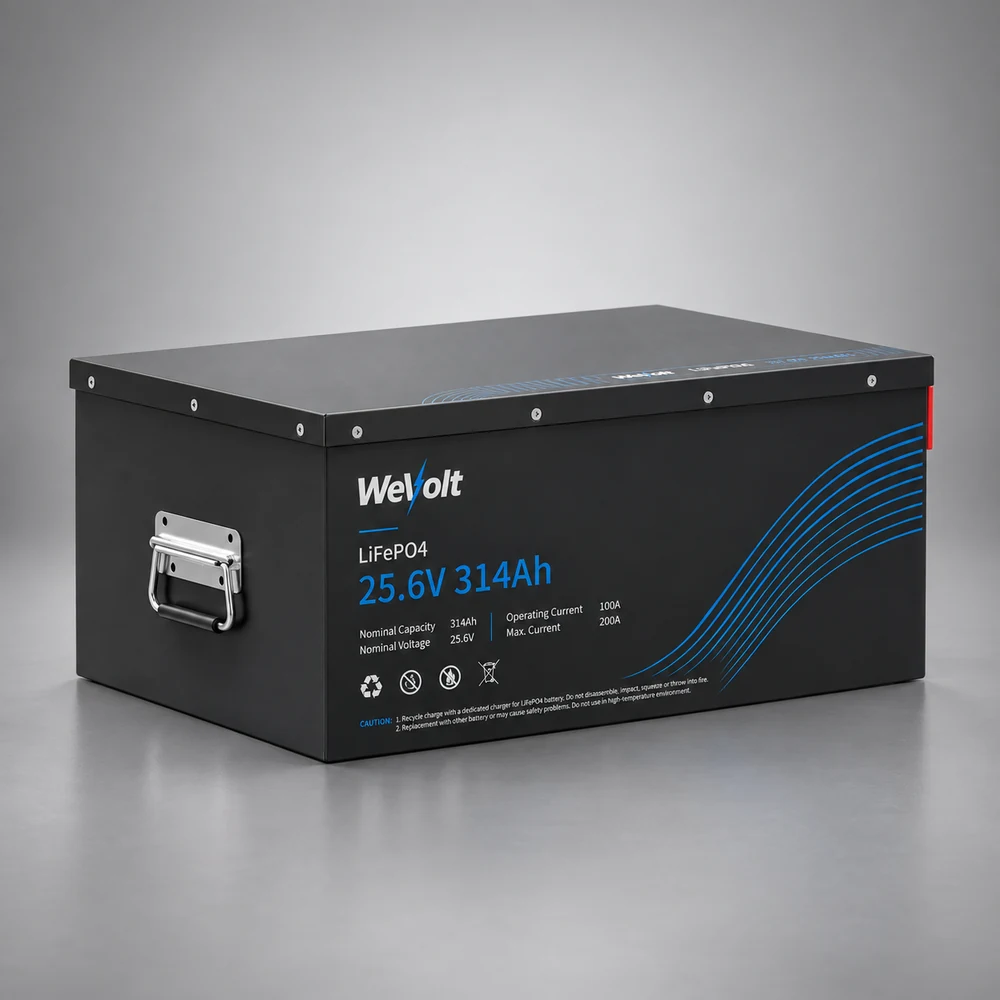
- Parking battery: stores 8.04kWh and feeds the A/C and other loads.
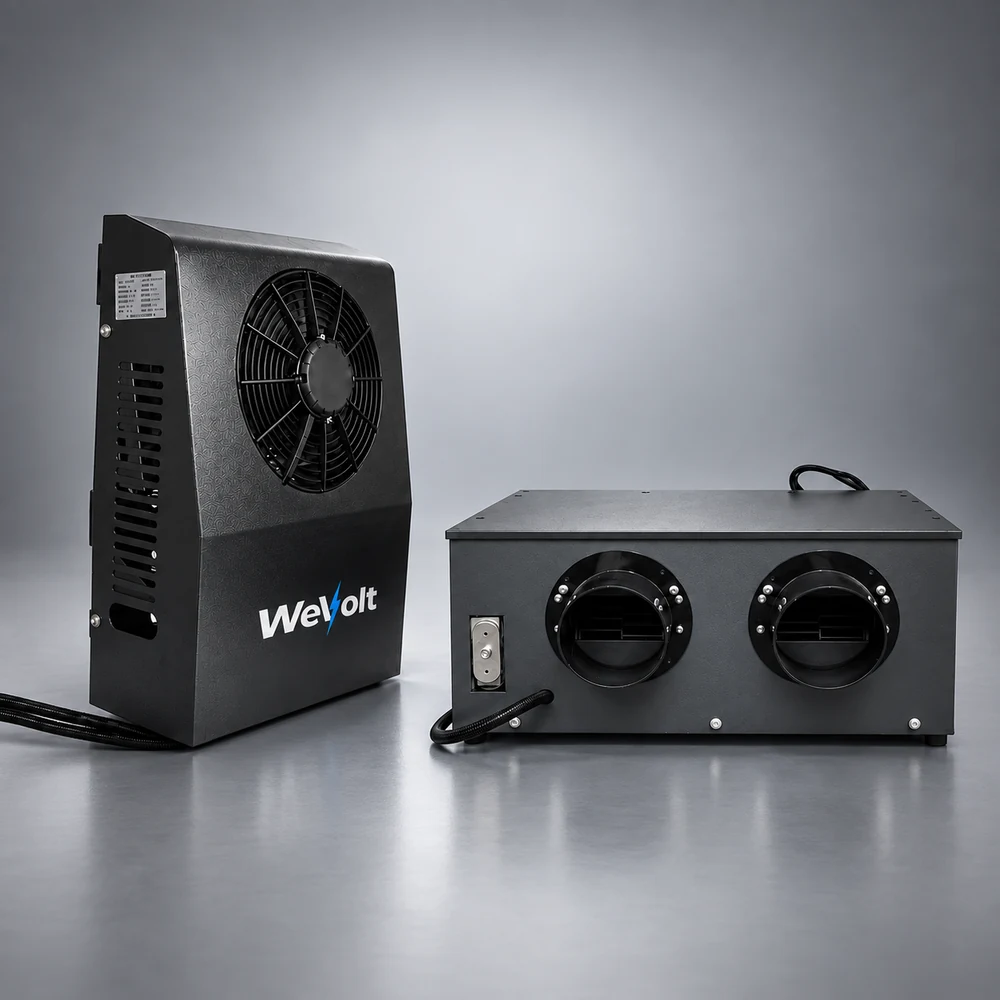
- Parking A/C: 24V variable-speed heating and cooling for the sleeper.
- Bidirectional DC-DC charger: charges the aux bank while driving and tops the starter at up to 14.4V/100A while parked.
- Pure sine wave inverter (the subject here): steps 24V up to 120V for mains appliances.
All four are matched and validated on the same 24V platform before they ship. Buy a generic rv inverter 3000w on its own and you still have to source the battery and A/C and size the cabling yourself. Buy the validated system and you get this instead: cold air in the sleeper, clean power for the laptop, and a starter battery that does not quit.
To see how each matching piece is chosen and installed, look at the 24V 314Ah truck parking battery, the parking A/C, and the bidirectional DC-DC charger product pages, or the WeVolt Apex eAPU system.
Install and maintenance notes
This is a device that needs correct wiring. Main connections: battery positive and negative, ground terminal, dual AC outputs (terminal block plus a standard outlet), two USB 5V/2A ports, overload protector, run/fault indicators, an external switch, the ON/OFF/ECO switch, RS485, TTL, and the cooling fan.
- Mount it indoors or in an equipment bay: rating is IP20, so no open air, no rain.
- Give it airflow: the fan needs a path, don't seal it in a dead box.
- Reverse polarity means permanent damage: disconnect vehicle power and confirm battery polarity before you connect.
- Dimensions: the spec sheet does not print this model's footprint, so check the product manual before you mount it.
On first power-up, watch the run/fault lights. No output: check battery voltage and the mode switch. Red light: check overload or overheating. If you are not comfortable with vehicle electrical work, get help rather than guessing.
Summary and next steps
The WeVolt IU24-3KW is a 24V-to-120V pure sine wave inverter that runs one way: 3000W rated, 6000W surge, THD under 4%, efficiency over 90%, IP20, with Bluetooth monitoring. It is the optional AC module for a 24V eAPU system, turning battery DC into clean mains power for laptops, small appliances, and medical gear without harming them.
Three things to keep: first, a pure sine wave under 4% THD is kind to sensitive electronics; second, ECO plus low standby means it does not quietly drain the battery while parked; third, no reverse polarity protection is a hard rule, so confirm polarity before wiring and mount it indoors. To go further:
See the full WeVolt Apex 24V eAPU systemMatching parts: 24V 314Ah battery, parking A/C, bidirectional DC-DCPricing and parts: [email protected]
References
- WeVolt product data: IU series 1 to 3kW high-frequency pure sine wave inverter spec summary (IU24-3KW: 24VDC, 3000W / 6000W surge, 100 to 120VAC, THD<4%, PF 0.2 to 1, efficiency >90% / peak >93.5%, standby <0.13A / no-load <1.2A, 6.5kg, <60dB, IP20, −20 to 60°C, CE/ROHS/IEC62109, 14 ports, no reverse polarity protection noted, dimensions per manual).
- WeVolt Apex eAPU system overview: IU24-3KW listed as the optional AC output module.
- WeVolt C-Series component manual: IU24-3KW entry (3000W / 6000W surge / default 120V) matches the spec sheet.
- WeVolt Apex eAPU official parts list: IU24-3KW listed as optional.
- Voice of Customer: lithium-friendly, Bluetooth monitoring, ECO savings, pure sine wave kind to precision electronics.
This is a product description. Dimensions follow the product manual. Exact efficiency curves, certifications, and install fitment follow the formal spec sheet or confirmation from us. Legal entity and registered address are on the official published page.