
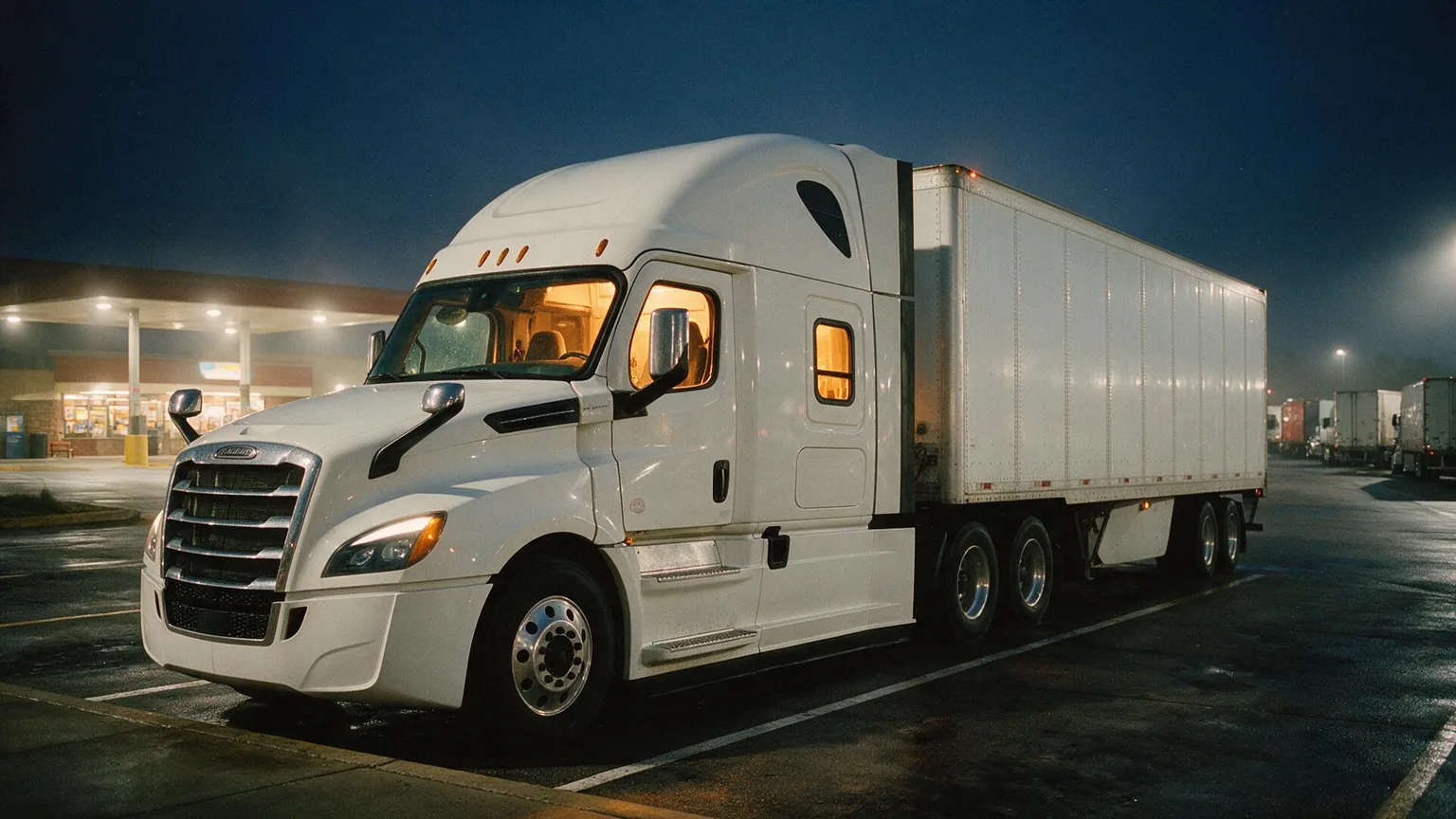
Diesel APUs (auxiliary power units) and electric APUs (eAPUs) address the same issue: maintaining air conditioning, heating, and onboard electrical power for sleeper cabs while the truck is parked, without starting the main engine. The difference between the two lies not in “whether it can be done,” but in “where the energy comes from and who bears the ongoing costs.” This article works through verifiable data boundaries across three dimensions—cost, fuel, and reliability—and states the electric option’s own operating limits just as plainly. No claims are made beyond what the underlying data supports.
Prefer the product-side view with sourced advantage cards and a diesel-fuel calculator? See WeVolt eAPU vs. Legacy Diesel APUsHow Each System Actually Works
Before comparing costs, the energy path of each option needs to be defined precisely, because every difference discussed below follows from it.
Diesel APU
A diesel APU adds a second, independent diesel engine to the truck. While parked, this unit drives the air conditioning and generates electrical power. The main engine shuts down, but the vehicle now carries a second combustion powerplant that still burns fuel and requires its own maintenance.
Electric APU (eAPU)
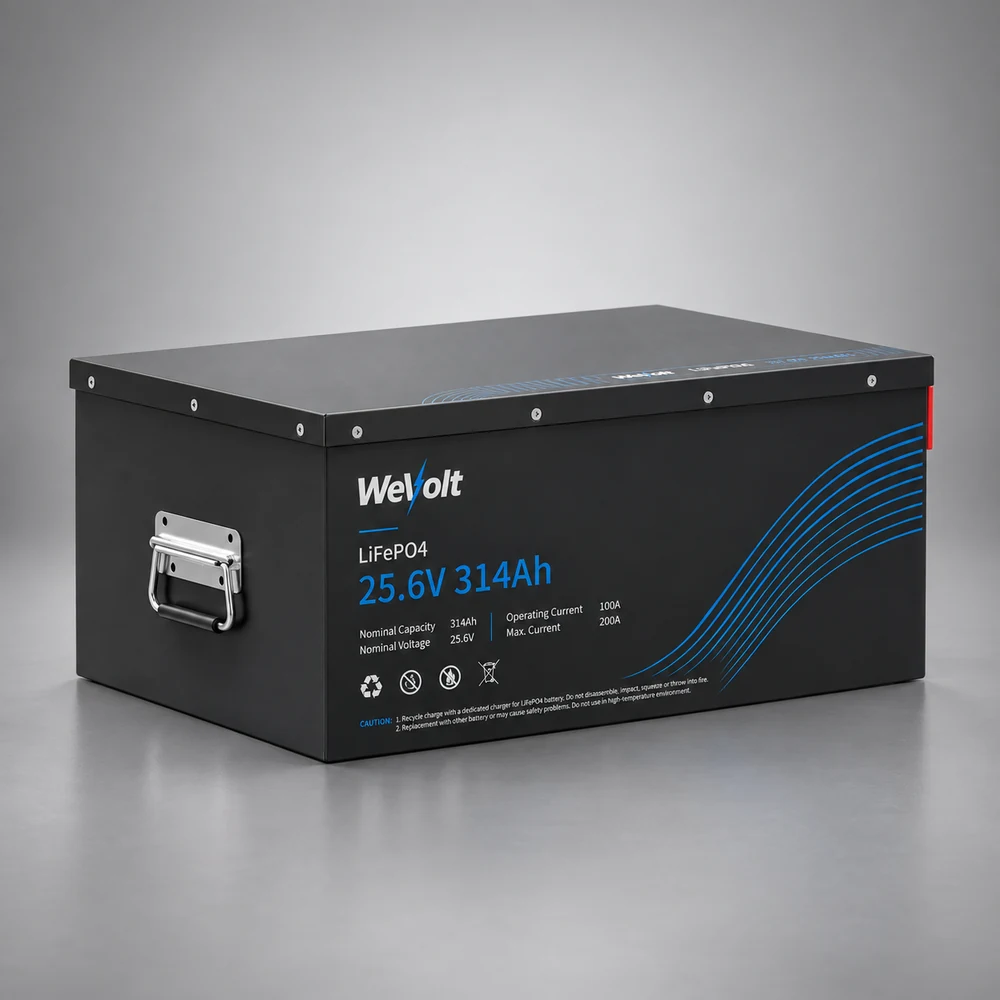
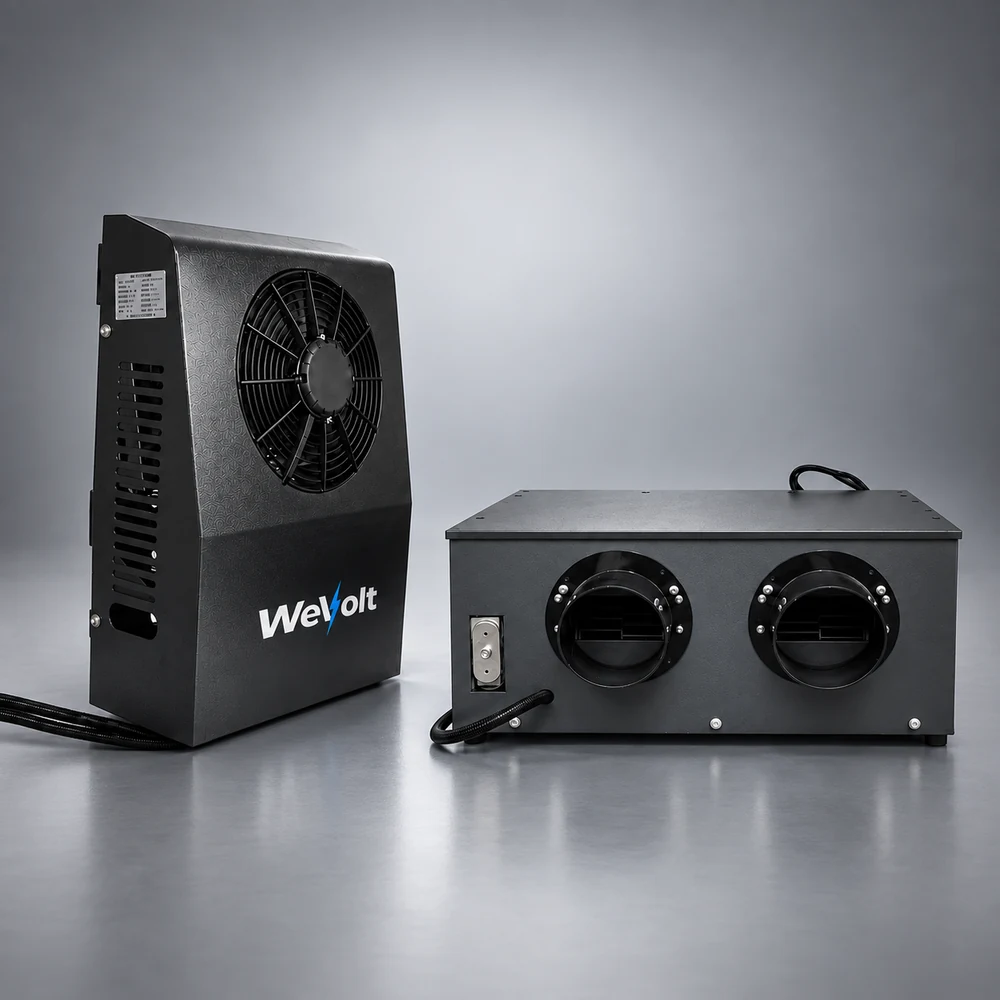
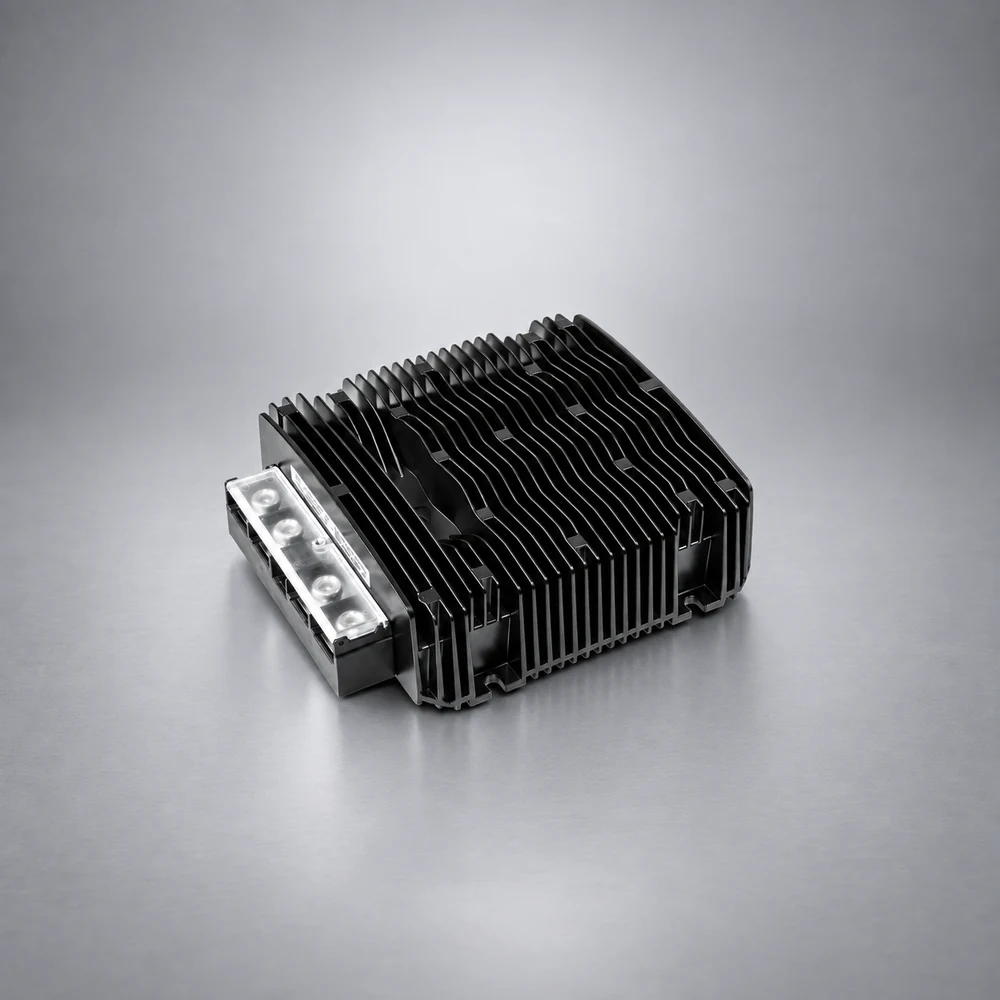
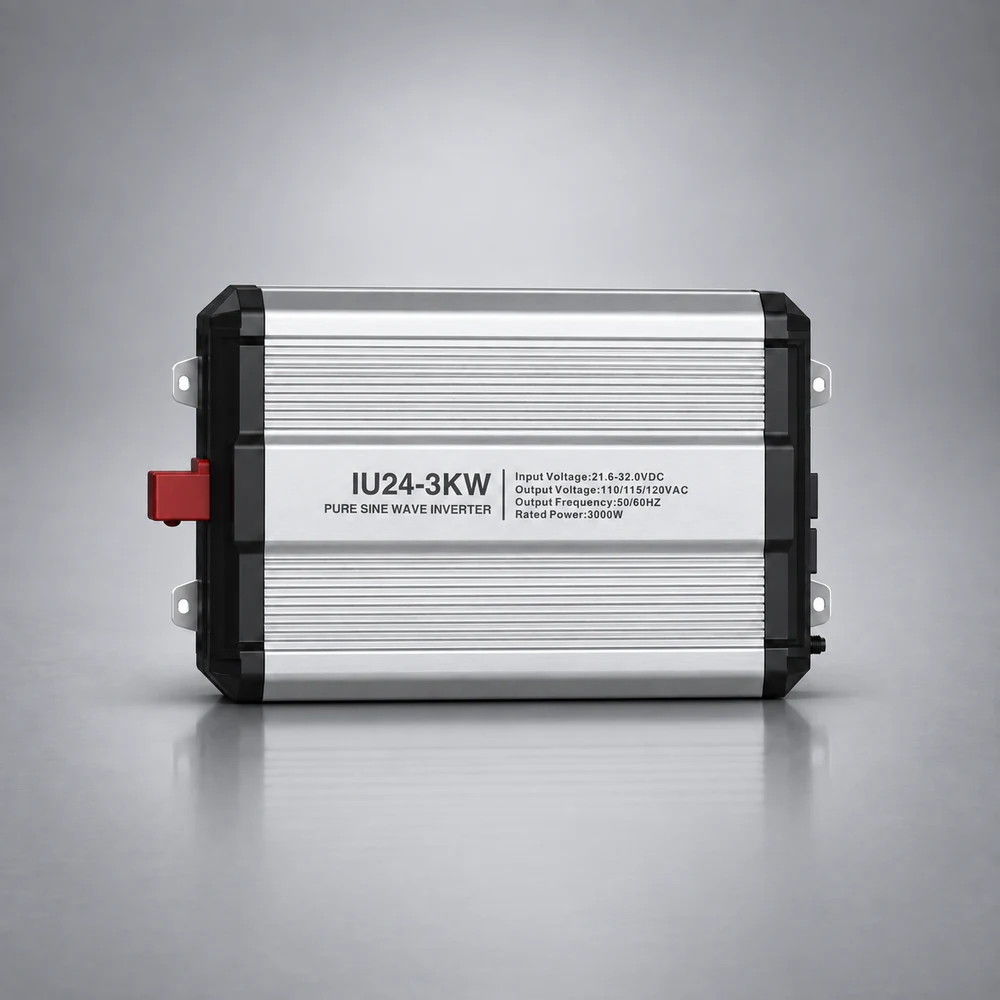
An electric APU (eAPU) uses an onboard house battery as its energy source. While parked, the battery powers the air conditioner and the inverter; while driving, a bidirectional DC-DC charger recharges the battery. The main engine shuts down, and nothing burns while the truck is parked.
The core difference: a diesel APU shuts the engine off but never stops burning fuel; an electric eAPU shuts the engine off and burns nothing while parked. Every cost and reliability difference below follows from this single fork—no other assumptions are introduced.
Upfront Cost: Purchase Price Ranges
Purchase prices below are compiled from published industry quotes and manufacturer-published ranges, in USD. When owner-operators benchmark a Thermo King APU cost against a Carrier APU quote, the two land in the same installed band, so the realistic truck APU price for a diesel unit is best treated as a five-figure number.
The purchase price is only the first line item in total cost of ownership. A diesel APU already costs more to buy in the first place: its complex manufacturing (an integrated small diesel engine, generator, and emissions hardware in one unit) keeps the initial price high. Its maintenance cost is higher still, several times that of an electric eAPU over the same three years. Judged on purchase price alone, its true cost of ownership is understated.
Ownership Cost: Fuel and Maintenance (3-Year TCO)
Compare fuel, maintenance, and equipment purchases in a single table. Fuel consumption is calculated based on the following benchmarks: 0.8 gallons per hour for the main engine at idle; 0.15–0.25 gallons per hour for the diesel APU (using the midpoint of 0.2); 250 overnight stays per year at 8 hours per night; and $4 per gallon for diesel. Maintenance costs are based on publicly available industry figures.
A common mistake: treating the diesel APU’s “lower equipment price” as “lower total cost.” A diesel APU still burns 0.15–0.25 gallons per hour while parked. This fuel cost is omitted from most comparisons, yet it adds up to thousands of dollars over three years—before maintenance. Any total-cost comparison must include fuel and maintenance together.
The “fuel” cost for an electric eAPU is the electricity cost for charging while driving; when converted based on current onboard power generation, this is significantly lower than the direct cost of diesel consumption. For the sake of simplicity, this table conservatively estimates this cost at $0; actual electricity costs vary depending on electricity rates and mileage and must be calculated using your own data.
5-year bottom line. Stretch the same assumptions to five years (250 nights/yr, 8 h/night, $4/gal; diesel APU 0.2 gal/h; maintenance as listed; no battery replacement inside the 5-year window, per the 10+ year design life in Section 5): Diesel APU: about $21,000–39,500 — $9,000–17,000 equipment + ~$8,000 fuel + $4,000–14,500 maintenance. WeVolt Apex eAPU: about $4,480–$5,480 — $3,980 equipment + $0 fuel + $500–1,500 maintenance. Over five years the WeVolt Apex eAPU costs a five-figure amount less—a gap built from both directions: a diesel APU is more expensive to buy and more expensive to maintain. Electric eAPUs ride the fast maturation of lithium-battery technology and solar charging support, which keeps pushing their price down and reliability up, so this advantage widens rather than narrows. With the WeVolt Apex eAPU, the $3,980 sticker is close to the whole story: the fuel line drops to $0 and maintenance drops to a routine minimum.
Payback Period: Which Investment Recovers Faster
Payback speed is set by how much the truck idled in the first place, not by the technology itself.
- Diesel APU: recovers its cost through idle-fuel savings; published industry figures put payback at about 14 months, assuming the truck previously idled heavily.
- WeVolt Apex eAPU: the fastest payback in this comparison. $3,980 in, $4,800 a year back—the unit pays for itself in about 10 months, and from month 11 the savings are yours: roughly $10,420 net per truck over three years.
What this means for owners: high-idle operations recover either investment quickly, and at every idle level the WeVolt Apex eAPU stays ahead on total cost with its lower entry price and lower running costs. Run the numbers on your own idle data—other people’s cases are examples, not promises.
Reliability: Failure Modes and Maintenance Burden
The two options fail in different ways, and the same “durability” standard cannot be applied to both. For a diesel APU, semi truck duty means a second combustion engine accumulating hours, fuel-system wear, and vibration stress; an electric eAPU has no combustion components, but its reliability is decided by electrical integration.
“No combustion components” does not mean “maintenance-free.” Industry data attributes 60% of warranty claims to improper electrical integration. Factory pre-integration—battery, HVAC, inverter, and DC-DC engineered to one architecture before shipping—materially reduces integration failures. The WeVolt Apex eAPU uses EV-grade cells, a 200A JK BMS, Class T fuses, IP65 protection, and manages the shared battery limit at 157A continuous / 200A peak.
To be clear: the lithium battery is still a component with an end of life, and “maintenance-free” claims should not gloss over it. The battery, however, carries a 10-year warranty and a 10+ year design life, so no replacement cost falls inside the 3-year TCO window above; within that window the battery adds no cost beyond routine maintenance.
Extreme Temperatures: The Limits of the Electric Option
This section states the limits plainly; nothing is glossed over.
- Most eAPU parking air conditioners ship without heating. Cooling is the market default; heating is usually an add-on rather than a given.
- The WeVolt Apex eAPU is a step better equipped. It is rated for 10,000 BTU of cooling plus 5,500 BTU of PTC electric heating. In extremely cold environments, however, electric heating alone is not enough—this is determined by electrochemical and thermodynamic properties and does not constitute a quality defect.
- The gap is covered at the system level. The WeVolt eAPU system includes a dual-function heater to back up extreme cold, and most eAPU manufacturers likewise sell heaters as companion products. Stating the limit and pairing it with a backup is more reliable than claiming a single unit covers all seasons.
Within the Electric Camp: Six Dimensions of a Complete System
“Electric APU” is not a homogeneous category, and shopping on battery capacity alone leads to expensive mistakes. A complete system should be judged on six dimensions at once; the table shows how the WeVolt Apex eAPU addresses each.
Charging while driving (forward 50A) is the item most DIY builds and budget systems miss. Without it, the battery drains night after night and never fully recovers during the day, and parked runtime decays with every operating day. Weight this dimension as heavily as battery capacity. Brands such as Green APU sit in the same electric camp—the category is growing, not a niche.
See the full spec-by-spec table — diesel APU vs DIY vs other electric APUs — on our APU comparison page.A Worked Example: WeVolt Apex eAPU Specifications and Design Trade-offs
The WeVolt Apex eAPU is the example used throughout this article. The specifications below are as published; they have not been adjusted for marketing.
Three honest caveats: (1) the battery carries a 10-year warranty and a 10+ year design life, so replacement is an end-of-life event, not a defect; (2) extremely cold conditions call for the optional diesel auxiliary heater; (3) the shared 157A limit means air-conditioning and inverter loads must be planned together—the system does not claim “full simultaneous load.” These match the operating limits stated above; no optimistic assumptions are added.
Summary and How to Choose
The boundaries of both options reduce to three sentences: a diesel APU pays back quickly but never stops burning fuel while parked and adds a second combustion powerplant to maintain; an electric eAPU has a lower entry price, burns nothing while parked, and costs less to maintain—but its battery is a long-lived consumable (10-year warranty, 10+ year design life) and extreme temperatures require a backup plan. The cost difference comes entirely from where the energy comes from, not from which technology is “more advanced.”
Choose in this order: quantify your own idle hours first; then confirm battery capacity and charging-while-driving capability; then verify the complete installation kit and warranty terms. With the numbers worked out, either choice is a sound one.
Related reading: What Is an Electric APU · APU Prices, Broken Down · Owner-Operator ROI Model · APU for Trucks: eAPU vs Diesel vs Parking AC vs Battery-Only · Anti-Idling Regulations