
More truck drivers are shutting the engine off to sleep in the cab. The reason is not complicated: idling is turning into a cost you can calculate, and anti idling laws are tightening in more places. This article puts the real cost of truck idling on the table—fuel, engine hours, wear, and compliance risk—then explains why the industry is moving toward "sleeping through the night with the engine off." For the full state-by-state list and penalties, see Anti-Idling Laws.
The Cost of Idling: Every Parked Night Burns Money
Start with what idling actually costs. Take a long-haul tractor idling overnight: the main engine burns about 0.8 gallons per hour. At 8 hours a night, 250 nights a year, and $4/gal diesel, idle fuel cost runs about $6,400 a year. That is not an outlier—it is the order of magnitude of truck idling cost under a typical duty cycle, and the answer to "how much fuel does a truck use idling" is about 0.8 gal/hr.
The fuel figure is calculated at 0.8 gal/hr, 8 hours/night, 250 nights/year, $4/gal diesel, and is an illustrative example; actual results vary with truck, fuel price, and route (published industry range about 0.8–1.5 gal/hr). The EPA "75% fuel reduction" is a general figure for APU-class solutions, not a vendor-specific test; sources are cited where used.
In usatruckerchoice's published figures, single-truck idle fuel cost runs about $5,760–14,400 a year; afdc estimates the whole industry burns about $300 million a year on idling. Idling is not pocket change—it is operating cost the entire industry is bleeding out.
Why Drivers Still Idle
Why do truckers idle has a reasonable answer—it is not laziness.
- Sleeper comfort: the cab needs cooling or heating while parked; the engine is the most ready source of A/C and heat.
- Hotel loads: fridge, microwave, laptop, phone—keeping them powered is easiest off the engine-driven generator.
- Protect the starter battery: long appliance use can drain the starter battery; letting the engine run trickle-charges it.
- Habit: veterans run "park it, run the engine" because the truck already has an engine, so idling is the "free" default.
The motive is real, which is why idling stayed the default for so long. But "free" is only on paper—the engine burning while parked still costs fuel, adds hours, and piles up wear. For cheap summer-night cooling without burning diesel continuously, see Run Truck AC All Night Without Idling.
The Trend: More Truckers Are Shutting the Engine Off
Three forces push toward sleeping with the engine off:
- Rules are expanding: 30+ states cap continuous idling; enforcement is rising (usatruckerchoice; cooldrivepro reports 35+ states enforcing before April 2026).
- The math is clear: afdc data shows alternatives pay back in about 6 months; industry idle fuel of about $300 million is real cost waiting to be cut.
- Technology is shifting: adoption of electric APUs, battery parking A/C, and diesel APUs is all climbing; state programs like SmartWay rebate compliant upgrades $1,000–5,000.
Emerging directions (fleetrabbit 2026, fobsourcify 2026's six trends): smart idle management, solar top-up, geofenced auto-shutdown. These are still mostly directional, not off-the-shelf today—keep that distinction in the text. The broader anti idle shift is a behavior change, not a single product.
From "park it, run the engine" to "sleep through the night with it off," half the push is regulation and half is fuel price. Idling is not being banned out of existence; it is being outpriced by cheaper options.
Anti-Idling Rules Are Tightening: A Directional State Snapshot
You cannot talk trend without touching the no idling law. The snapshot below shows the direction—tightening—not a state-by-state codebook.
The table is a directional snapshot, not a state list, and limits change. For the exact state list, exemptions, and penalties (cooldrivepro cites fines of $150–25,000), see Anti-Idling Laws. This is not legal advice—it is the trend.
What "No-Idling" Means for Your Truck
For your own truck, the no idling law direction is: cap continuous idling, but most states exempt extreme climate or APU-equipped trucks, or count an electric APU as compliant (cooldrivepro and trucksparkingac both note electric APUs are often treated as compliant).
- Two-sided risk: one side is the fine (varies by state); the other is the fuel burned for nothing, which is costlier and more constant than a ticket.
- Compliance is not lost comfort: an APU / eAPU is built exactly for "sleep through the night with the engine off," so equipping often meets the limit and keeps the sleeper comfortable.
For exactly how your route is limited and what the fine is, check the full state list and penalties at Anti-Idling Laws.
How Drivers Replace Idling: Four Paths in One Line
Replacing idling is not one solution; the four paths trade off differently:
- Keep idling: no new equipment, but fuel, engine hours, and compliance risk all stay on your truck.
- Diesel APU: main engine off, but a second diesel aux powerplant on board—long range, needs maintenance (published installed about $8,000–12,000).
- Battery parking A/C: cheapest cooling entry, cooling-only, no inverter hotel load, no charge while driving (cooldrivepro cites kits at $4,500–6,500).
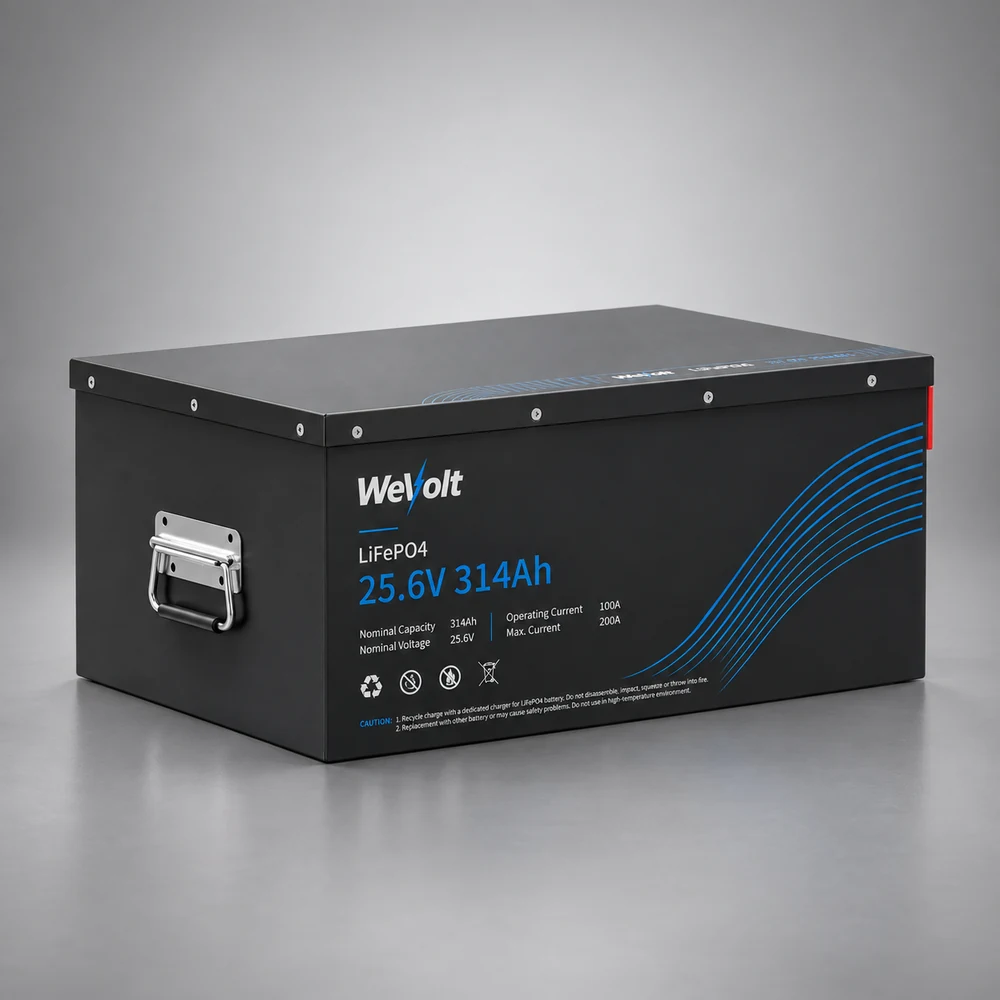
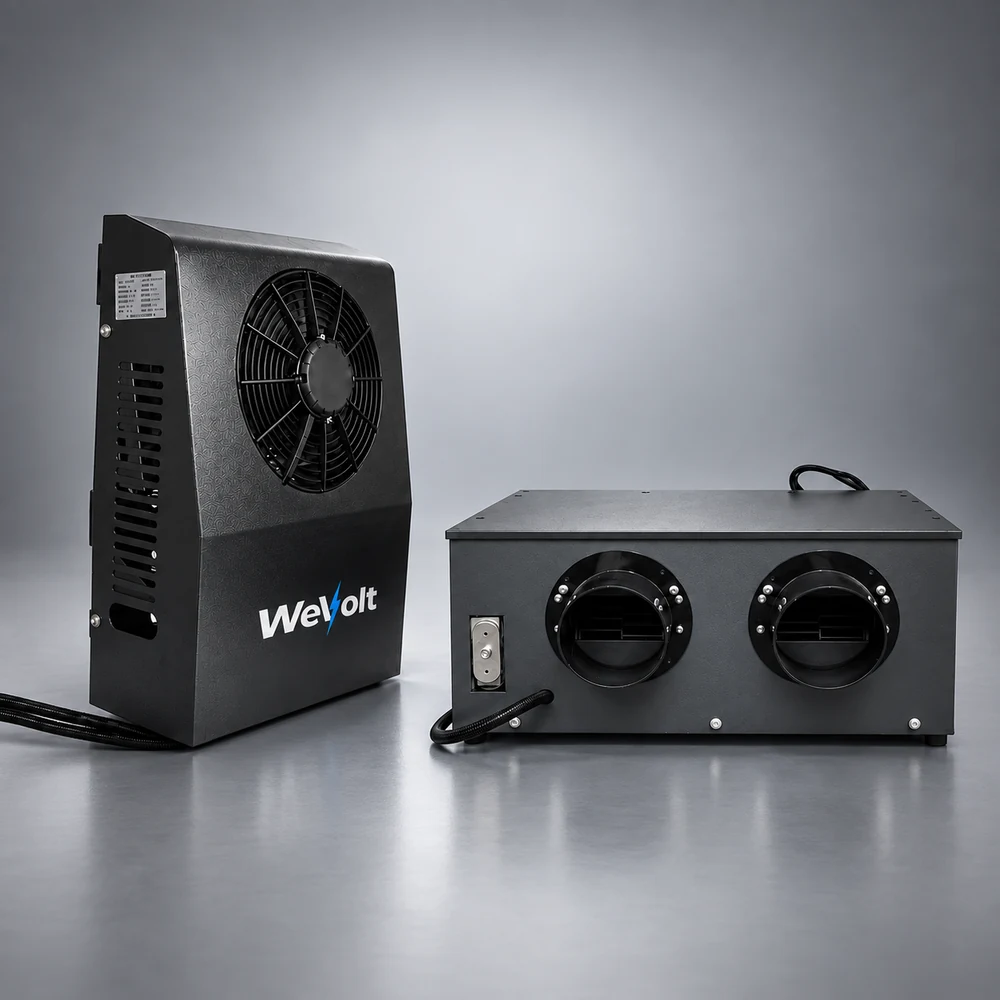
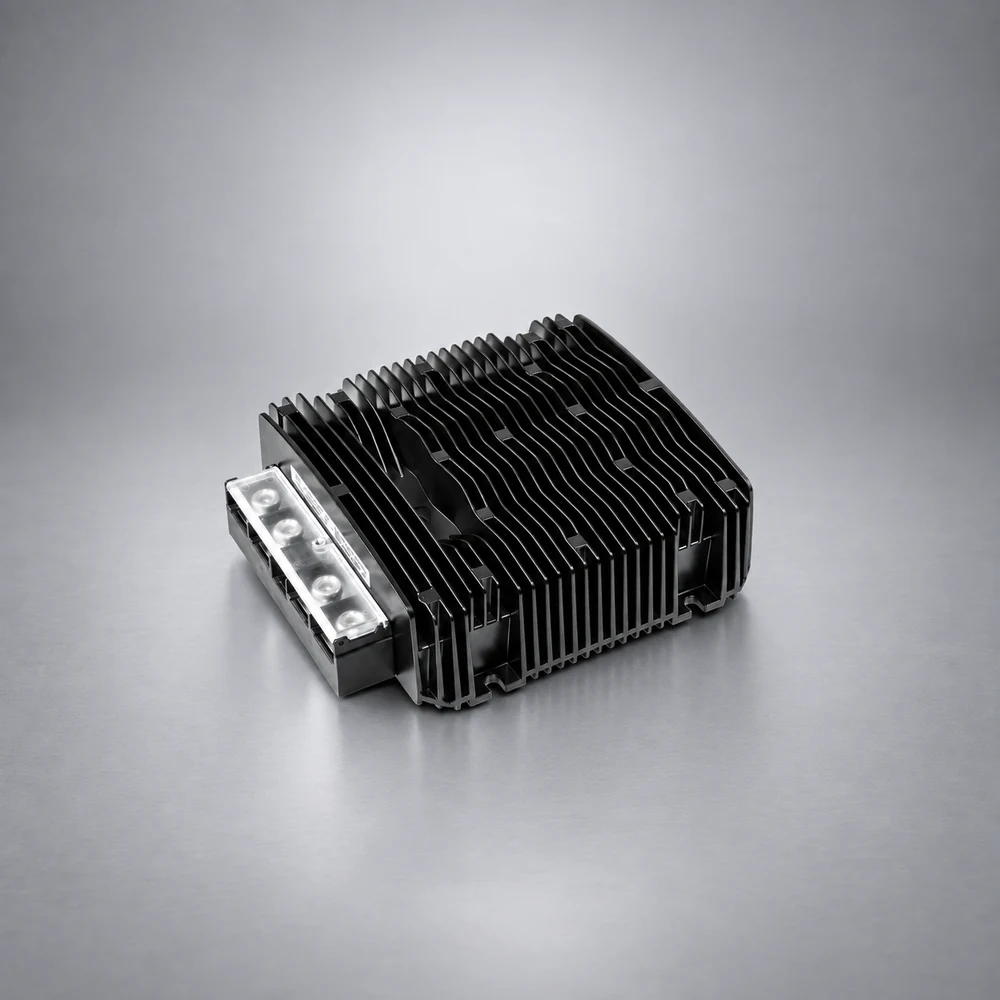
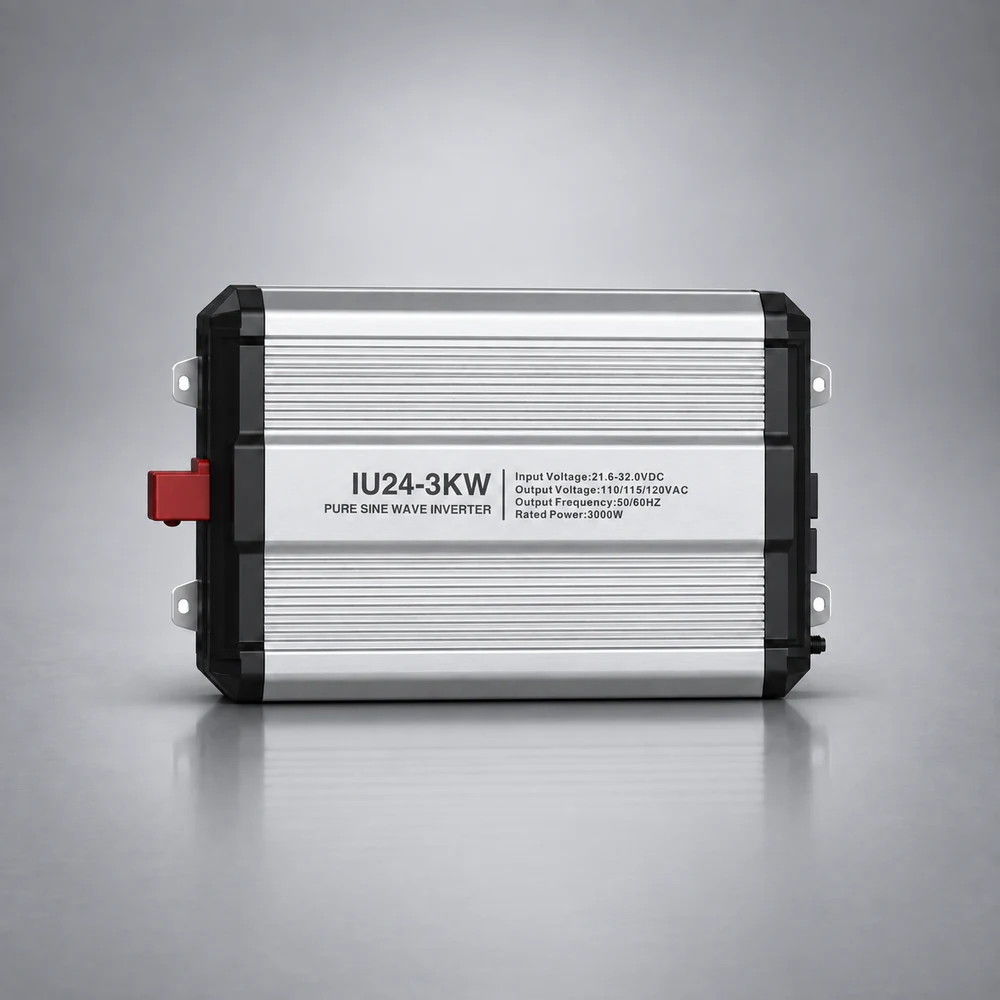
- Integrated electric eAPU: engine off, nothing burns, no second engine; using the WeVolt Apex eAPU as the example—8.04kWh (25.6V / 314Ah) house battery, 10,000 BTU cooling, 3,000W hotel load, from $3,980, payback about 10 months. Other integrated electric eAPUs typically start around $6,000 (for example, Polar Fox), so the entry-price gap is real.
The deep comparison and scenario-based selection across all four are in Truck APU Solutions Compared and What Is an Electric APU.
Operating limits: an electric eAPU cools on battery; winter heating relies on a separate diesel heater, and we do not claim one unit covers every season. The battery is a consumable with a finite life—WeVolt's battery carries a 10-year warranty and a 10+ year design life, so no replacement falls inside the typical 3-year ownership window (count it only on a longer horizon). The WeVolt Apex eAPU is used here as a vendor example, not an independent test.
The Payback, in Plain Numbers
Continue the fuel example from Section 1: gross idle fuel about $6,400/year, take a conservative 75% net saving, about $4,800/year; the $3,980 WeVolt Apex eAPU pays back in about 10 months (WeVolt TCO model, excluding extra savings from lower engine wear and maintenance).
The table is a linear extrapolation of the example pace; actual results vary with idle time, fuel price, and configuration. Price breakdown in Why Do Electric APUs Cost $8K–$26K?; ROI detail in Is an Electric APU Worth It?; tested performance in Real-World eAPU Performance.
For a long-haul owner idling most nights, the fuel saved covers the equipment in about a year, then it is pure savings. Payback comes from not burning diesel every night, not from subsidies.
Conclusion and Next Steps
Idling is no longer the default—it is a cost you can calculate plus a rule that is tightening. The cost, the motive, the trend, and the alternatives are all laid out above.
Suggested order: check how your route is limited (C6) → understand what an electric APU is (C1) → compare the four options (C10) → work the payback (C3 / C4).
Related reading: What Is an Electric APU · Diesel APU vs Electric APU: Cost, Fuel & Reliability · Why Do Electric APUs Cost $8K–$26K? · Is an Electric APU Worth It? · Truck APU Solutions Compared · Anti-Idling Laws · Run Truck AC All Night Without Idling · 24V 314Ah Truck House Battery
Anti-idling rules by state, fines and APU exemptionsElectric APU vs diesel APU: cost, fuel and reliability