

Buyers often find quotes confusing: systems that all go by the name "electric APU" can range from a few thousand dollars to the $26K level. Where does the difference come from? This article breaks down the pricing of one category only — the integrated electric eAPU (battery + HVAC + inverter + bidirectional DCDC + complete accessory kit) — turning the $8K–$26K spread into a concrete parts breakdown, and showing how the WeVolt Apex eAPU brings an 8.04kWh integrated system down to $3,980 starting. This article makes no claims beyond what has been verified in testing.
Introduction: Why the Price Gap Reaches 3x
Line up a few "electric APU" quotes and the spread runs from a few thousand dollars to the $26K level. The wide range comes from differences within the category itself: battery capacity, inverter, HVAC, system integration, installation method, and brand channel each add to the cost, and together they produce a gap of more than 3x.
This article covers one category only: the pre-engineered integrated electric eAPU (battery + HVAC + inverter + bidirectional DCDC + complete accessory kit, delivered as one system), using the WeVolt Apex eAPU as the example. Parking air conditioners (cooling only) and bare battery packs are out of scope; the differences are covered in Section V below and in Truck APU Solutions Compared. By the end you should be able to judge for yourself where a quote is expensive and what a cheaper one is missing.
This is not a quote, nor does it bargain for you. The goal is to break "electric APU cost" into five verifiable line items, so you know what you are comparing when you face different quotes. Final pricing varies with vehicle model, options, and the manufacturer's released version.
Setting the Boundary: What "Electric APU Price" Means Here
Define the object first, so the comparison that follows means something.
The Scope Here = Pre-Engineered Integrated eAPU
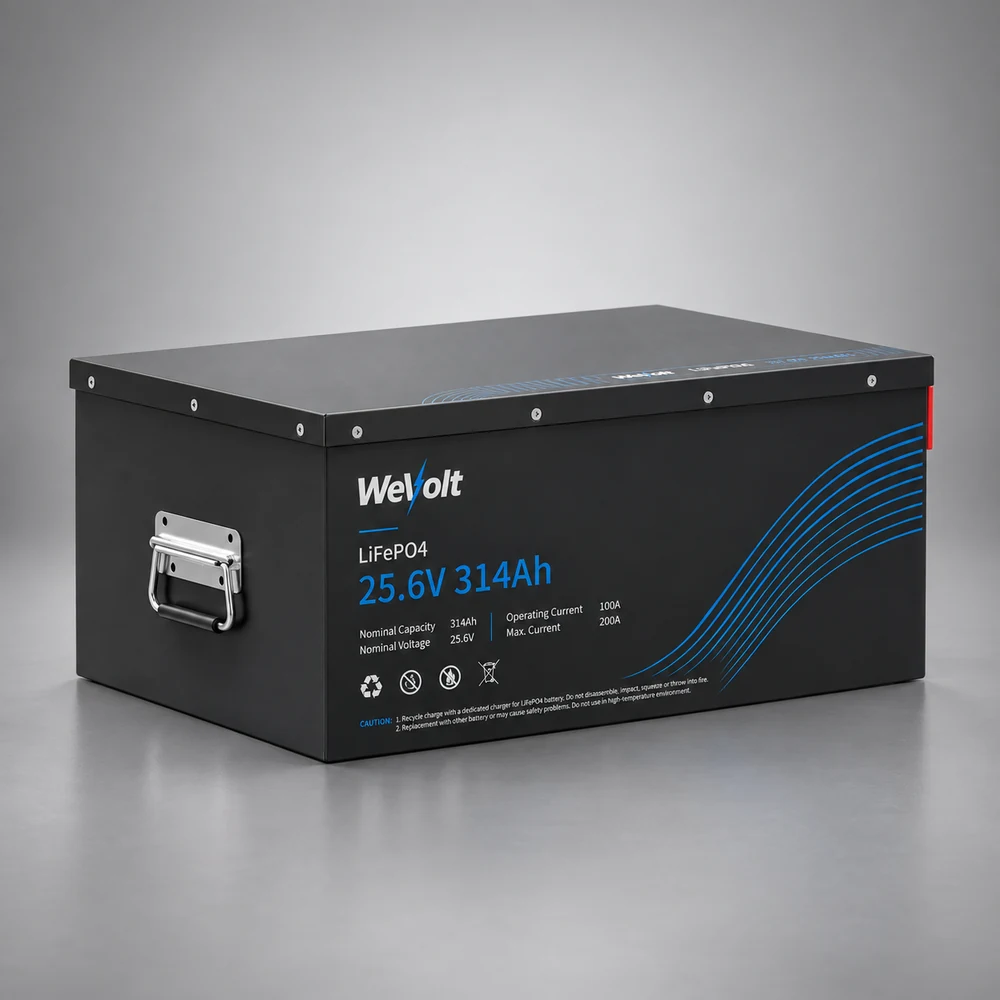
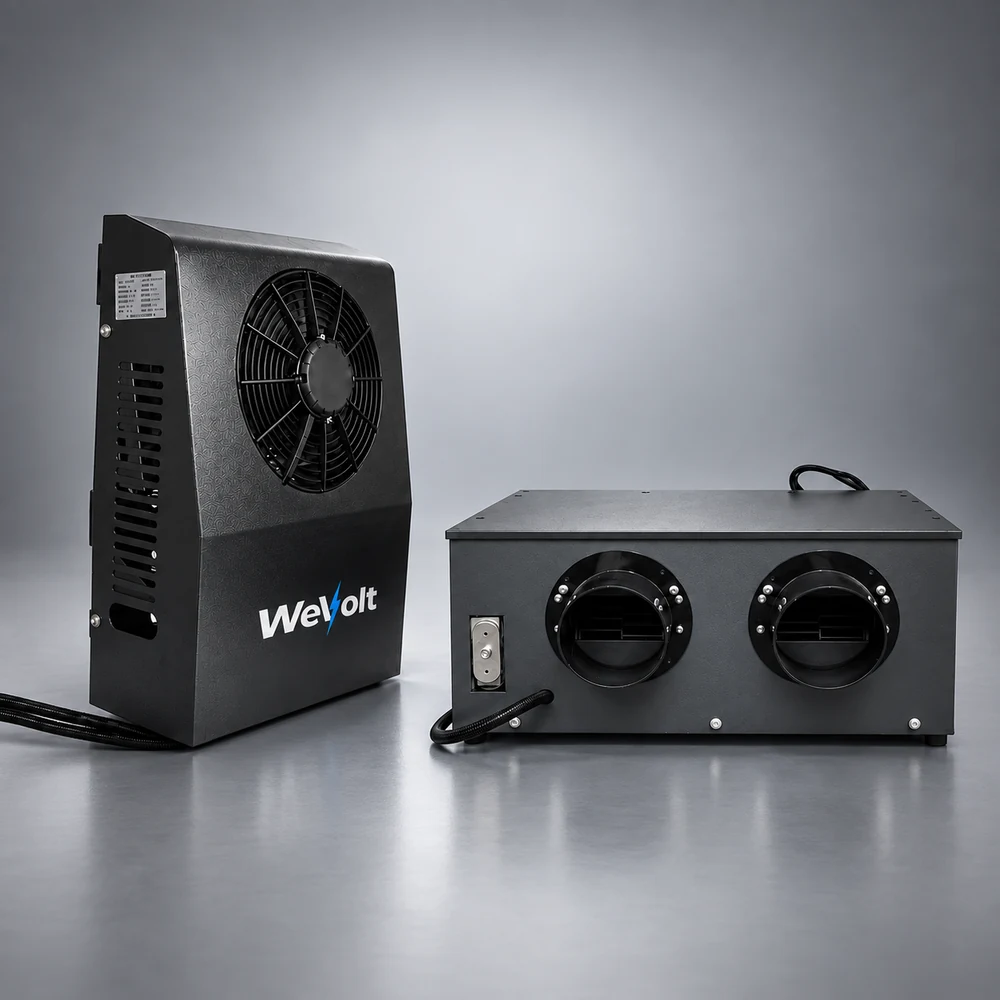
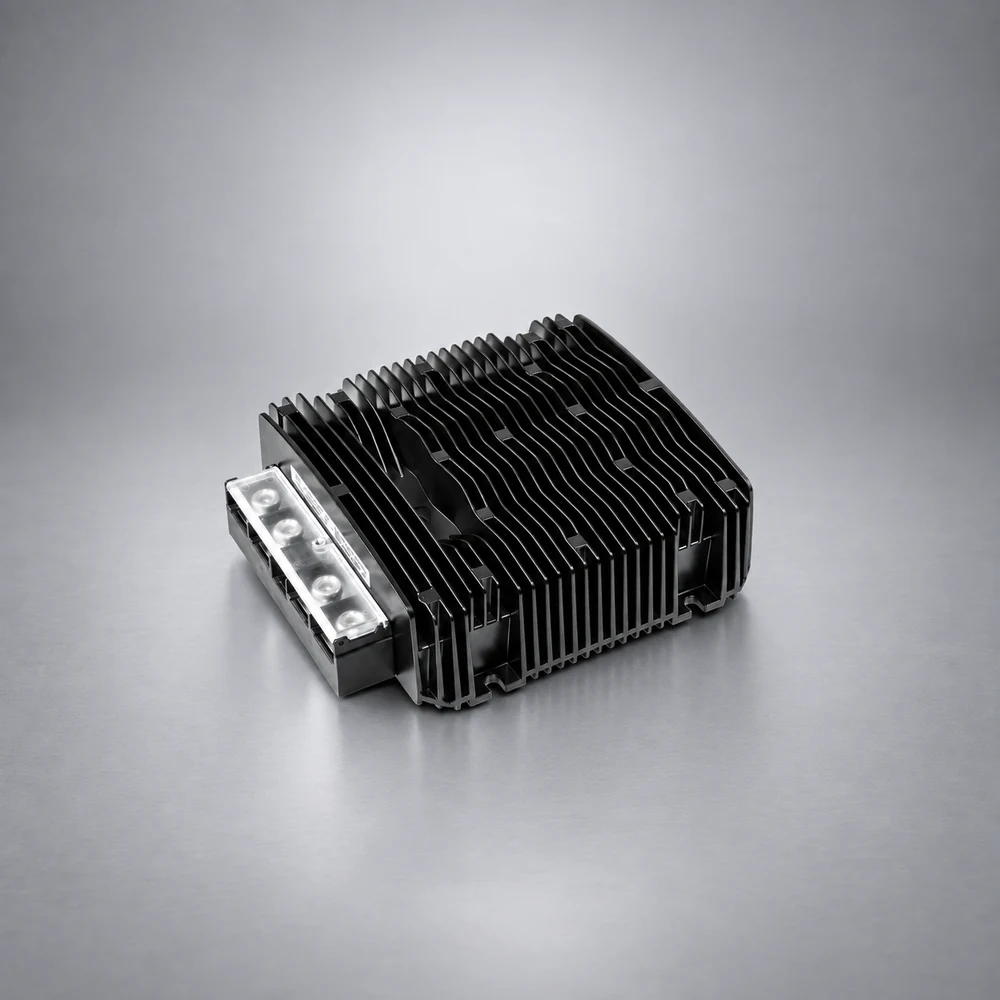
An entire system configured to a unified architecture straight from the factory: a parked-life lithium battery + variable-speed heating/cooling AC + pure sine wave inverter + bidirectional DCDC (charging while driving + reverse top-up of the starter battery) + complete accessory kit (cables, busbars, UL terminals, Class T fuse). The WeVolt Apex eAPU is a representative example of this type.
Observed Market Range
The ranges are "representative values," not like-for-like comparisons. If the battery capacity, inverter, AC, installation method, or brand premium differs in any one respect, the prices are not on the same baseline. The next sections take each of these apart.
The Five Key Drivers Behind the Price Gap
The price gap between electric APUs comes down to five key drivers. Listed in order of their impact on price:
1. Battery Capacity (kWh): The Biggest Slice
Capacity determines parked-life runtime and sets the price. The WeVolt Apex eAPU uses an 8.04kWh (25.6V / 314Ah LiFePO₄, EV-grade cells) pack. A larger capacity (e.g., 15–20kWh) raises the system price noticeably, because the cell count, BMS, and enclosure all scale up with it. The relationship between capacity and price is direct: if you want all-night runtime, you pay for that battery.
2. Inverter Specification
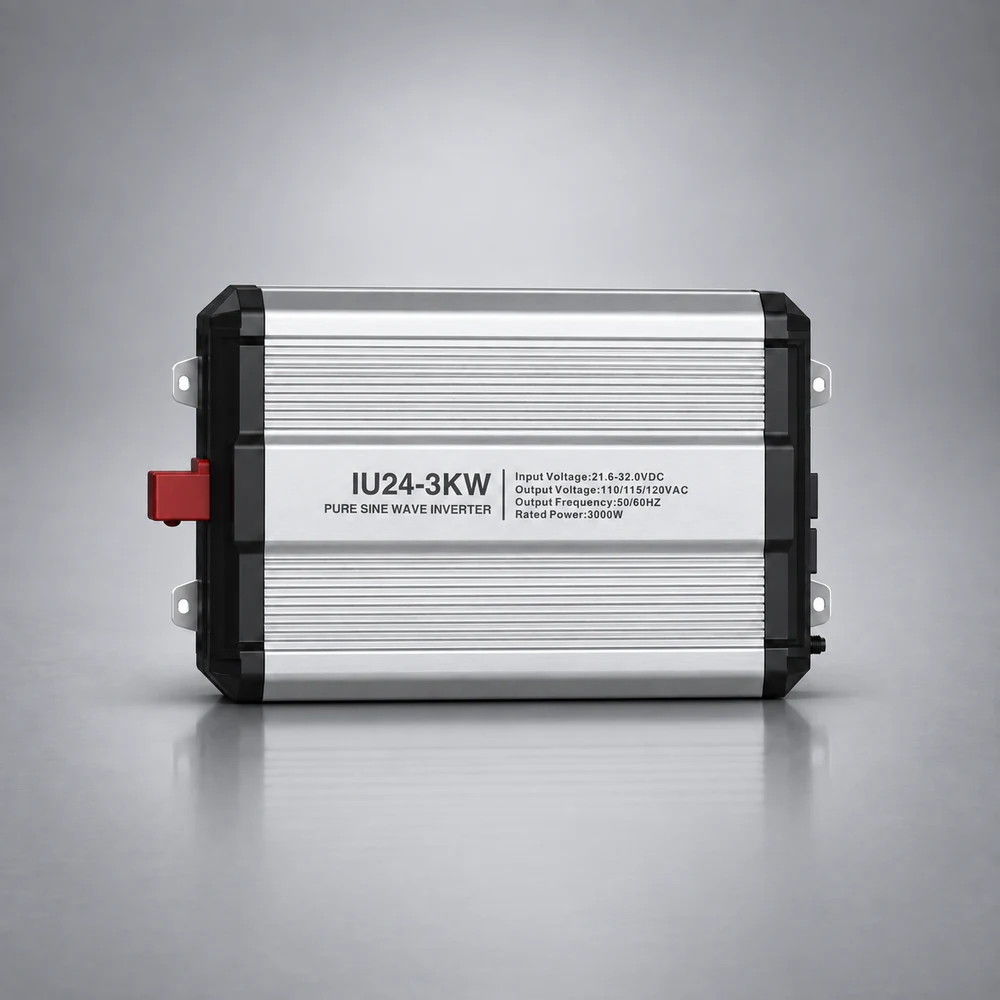
A pure sine wave inverter determines how many AC loads you can run (microwave, rice cooker, laptop, tools). A 3,000W pure sine wave (WeVolt uses the IU24-3KW) is the floor for comfortable parked living; smaller (1.5kW) lowers the price, larger (5kW+) raises it. The inverter is the key to "hotel loads," and if the spec is too low it won't drive your appliances.
3. Cooling and Heating
A complete HVAC = cooling + heating. The WeVolt Apex eAPU provides 10,000 BTU cooling + 5,500 BTU PTC electric heating. Cooling-only or lower-BTU options lower the price; a complete heating-and-cooling package costs more but is also more "complete." Note: in extreme cold, electric heating alone is not enough — a diesel auxiliary heater is needed as backup (see Section IV).
4. System Integration and BMS
Higher integration costs more, but it is also more complete and more reliable. The WeVolt Apex eAPU includes a 200A JK BMS, bidirectional DCDC (charging while driving + reverse top-up of the starter battery), IP65 protection, and shared 157A continuous / 200A peak current management. Having the battery, AC, inverter, and DCDC matched to one architecture before it leaves the factory removes the uncertainty of field assembly, and that engineering cost goes into the price.
5. Installation Method and Brand Premium
A complete accessory kit (self-install) versus professional installation (often $2–3K in labor) is one line item; the brand-channel premium is another. WeVolt folds the installation parts into the $3,980 starting price through "pre-engineered complete kit + direct supply," cutting out the markups in the middle.
These five factors together are the entire source of the price gap. If two systems match on capacity, inverter, HVAC, integration, and installation method, their prices will not differ by 3x; a 3x gap usually means one or more of these differ.
How the WeVolt Apex eAPU Price Is Built
The $3,980 starting price is a complete system, not a low price achieved by leaving parts out:
How the Barrier Is Broken
- Pre-engineered integration: one architecture from the factory, not assembled on site, eliminating integration trial-and-error cost.
- Direct supply removes channel premium: fewer markups along the chain.
- Installation parts bundled into the starting price: cables, fuses, busbars, and terminals come complete with the kit, at no extra charge.
An 8.04kWh integrated system brought down to $3,980 starting — those three points are how.
① The battery is a consumable, but its design life is 10+ years with a 10-year warranty, so no replacement occurs within a 3-year ownership window; ② extreme cold is covered by optional diesel auxiliary heating as backup — we do not claim "one system covers the whole year"; ③ the electrical system still needs routine maintenance and is not "maintenance-free."
Why You Can't Compare a $2.5K–4K Parking AC with an eAPU
Putting a "parking AC" quote next to an "integrated eAPU" quote is a common mismatch. They are not the same kind of thing.
A parking AC is "cheap summer-night cooling," not a complete APU. It lacks an inverter, has no charging while driving, and does not top up the starter battery. For a complete parked-power solution, look at the integrated eAPU (read more in Truck APU Solutions Compared and Diesel APU vs Electric APU). Comparing the two prices side by side undervalues the real worth of the complete system.
Pre-Purchase Self-Estimate: A Configuration-to-Price Checklist
When facing different quotes, check each item in the order below to avoid being misled by a "low-price whole unit" (low-price units often lack the inverter / charging while driving / protection parts).
Final price varies with vehicle model and options, per the manufacturer's released version. This checklist won't give you an exact number; it only helps you see which items a quote actually includes. The fully-loaded $3,980 and a "low price" that covers only battery + AC were never meant to be compared directly.
Summary and Next Steps
The $8K–$26K spread of electric APUs comes from five factors stacked together: battery capacity, inverter, cooling and heating, system integration, and installation method and brand channel. WeVolt brings the 8.04kWh integrated system down to $3,980 starting with a pre-engineered complete kit. At the same configuration, the lower price comes from integration and direct supply.
Next steps:
- Calculate payback → Why More Truckers Are Ditching Idle (the payback in plain numbers)
- See real installs → eAPU Wiring & Fuse Sizing Guide / eAPU Installation, Warranty & Support
- Identify parts / get a quote → [email protected]
Related reading: What Is an Electric APU · Diesel APU vs Electric APU · Truck APU Solutions Compared · Why More Truckers Are Ditching Idle · eAPU Wiring & Fuse Sizing Guide · eAPU Installation, Warranty & Support
This article is a price breakdown and configuration comparison; it does not commit to any maker's current listed price, and competitor quotes are as published on their websites at the time. Specific configurations need to be confirmed against your vehicle's operating conditions.
What the price tiers buy across four eAPU systemsElectric vs diesel APU: the cost side by side