
Truck drivers often treat parking with the engine idling as free air conditioning. Legally it is not. Across dozens of U.S. states and cities, anti idling laws cap commercial-truck idling to the minute, and going over draws a ticket from a few hundred to over ten thousand dollars. The catch that costs many drivers money is that they do not realize a truck fitted with an APU is often exempt. This guide gives you a lookup table you can actually use, and explains how an electric APU keeps you compliant with the engine off and still lets you sleep.
Introduction: idling is not free air conditioning
Running the engine just to power the cab looks convenient, but the bill is hidden. Idling restrictions put a hard cap on "engine on, truck not moving", and most jurisdictions give commercial trucks a limit of 3 to 5 minutes. Over that, you get fined, and the fines change year to year. What hurts the most drivers is not knowing that an APU-equipped truck is often exempt. This article maps the rules first, then shows how an electric APU solves compliance and rest at the same time, with the engine off.
This guide answers two things: how states limit idling, and whether fitting an APU earns an exemption. Why idling keeps getting more expensive (fuel, wear, industry trends) is a different subject and stays out of this article.
The U.S. anti-idling law landscape
There is no single federal idling law. The EPA promotes idle reduction, and states and cities set their own limits, most capping commercial vehicles at 3 to 5 minutes. Truck idling laws by state vary, but the pattern repeats often enough to plan around. Two sources are the authority for checking your own routes:
- ATRI, "Compendium of Idling Regulations": the June 2025 edition, known as the Cab Card, rolls state, county, and city limits, fines, and exemptions onto one card. It is the industry standard.
- Clean Cities IdleBase: a U.S. Department of Energy database holding the actual code text for states, counties, and cities, good for checking the exact wording.
This is not legal advice: what follows is a summary of public regulations. Your specific routes depend on local code or a lawyer's reading. Fines shift year to year, so confirm the latest status before you rely on any number here.
State-by-state idling limits at a glance
Here is what anti idling laws by state look like in practice, drawn from ATRI's June 2025 edition and covering the routes drivers run most. For all 50-plus jurisdictions, go to ATRI or IdleBase.
Data age: the table above is a representative extract from ATRI 2025-06, not the full set. Fines change year to year; pending items (such as NYC Intro 291) should be rechecked before publication. For all 50-plus jurisdictions, defer to ATRI/IdleBase.
The APU exemption: compliance with the engine off
An APU exemption is the key that lets you stay compliant while the engine is off. Many states list APU-equipped vehicles directly in their idling exemptions. In ATRI's table, APU Allowance = Yes covers California, New York, Pennsylvania, New Jersey, Massachusetts, Illinois, and others; Kansas counties Johnson and Wyandotte name "Auxiliary power units" explicitly. The federal government and several states also grant a weight exemption for APUs, so fitting one does not count against GVW penalties.
The electric e-APU has the most direct compliance path: it runs with the engine off, burns no main-engine fuel, and produces zero exhaust, so by its nature it never falls inside the idling definition. That is also why it suits compliance scenarios better than a diesel APU.
An exemption is not recognized everywhere: it differs by state and city, and not every jurisdiction lists an APU exemption. Keep your APU compliance paperwork and defer to local code. We will not promise you that fitting one means automatic immunity from fines; the clauses still have to be checked.
Beyond the fine: the real cost of idling
The fine is the most visible cost of idling, but not the only one. EPA measures idling at about 0.8 gallons per hour, and a long-haul truck burns more than 1,500 gallons a year that way; engine wear, oil and filter degradation, and the health cost of emissions sit behind it. Fuel and wear are calculated in dedicated material; the conclusion here is enough: an electric e-APU saves fines, fuel, and maintenance at once, and compliance is one of those hidden savings. Add that to the fuel bill and it becomes another line in the payback.
For the payback that combines avoided fines and saved fuel, see Is an Electric APU Worth It. That worksheet takes your own idle hours and fuel price.
How an e-APU keeps you compliant and rested
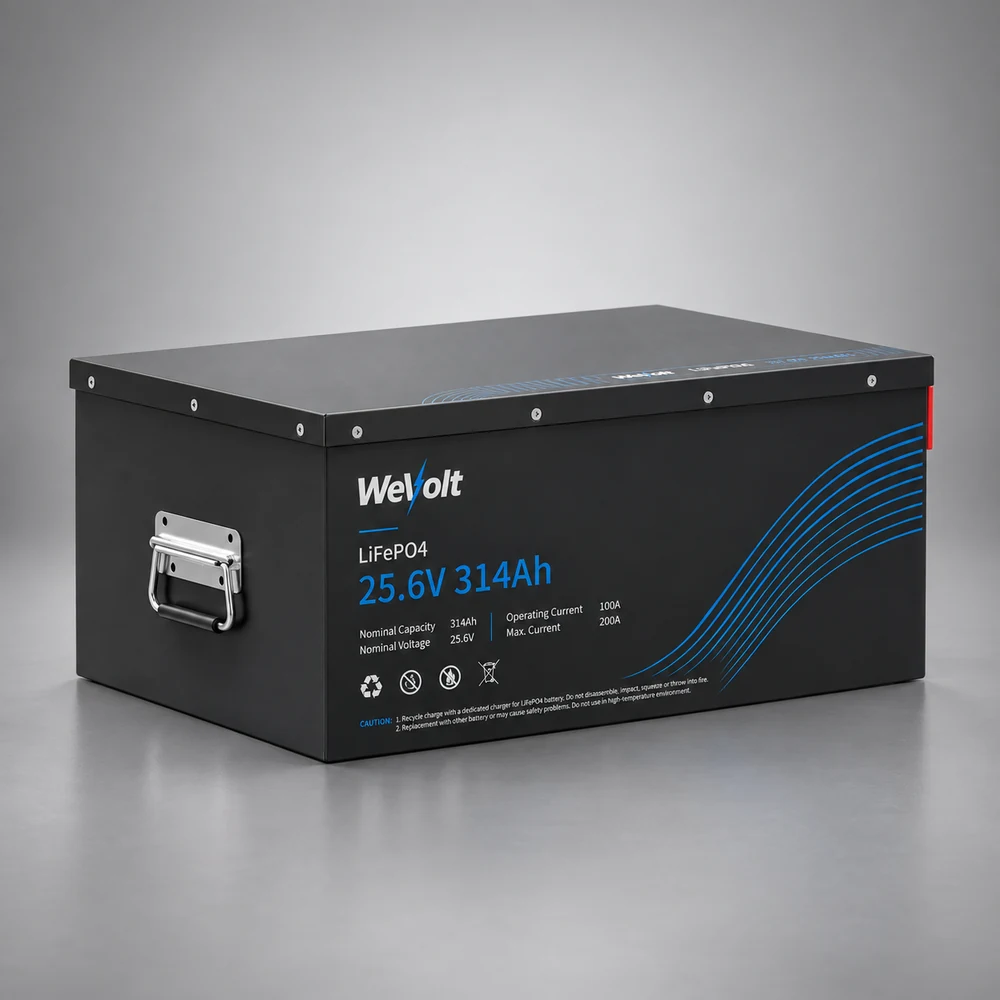
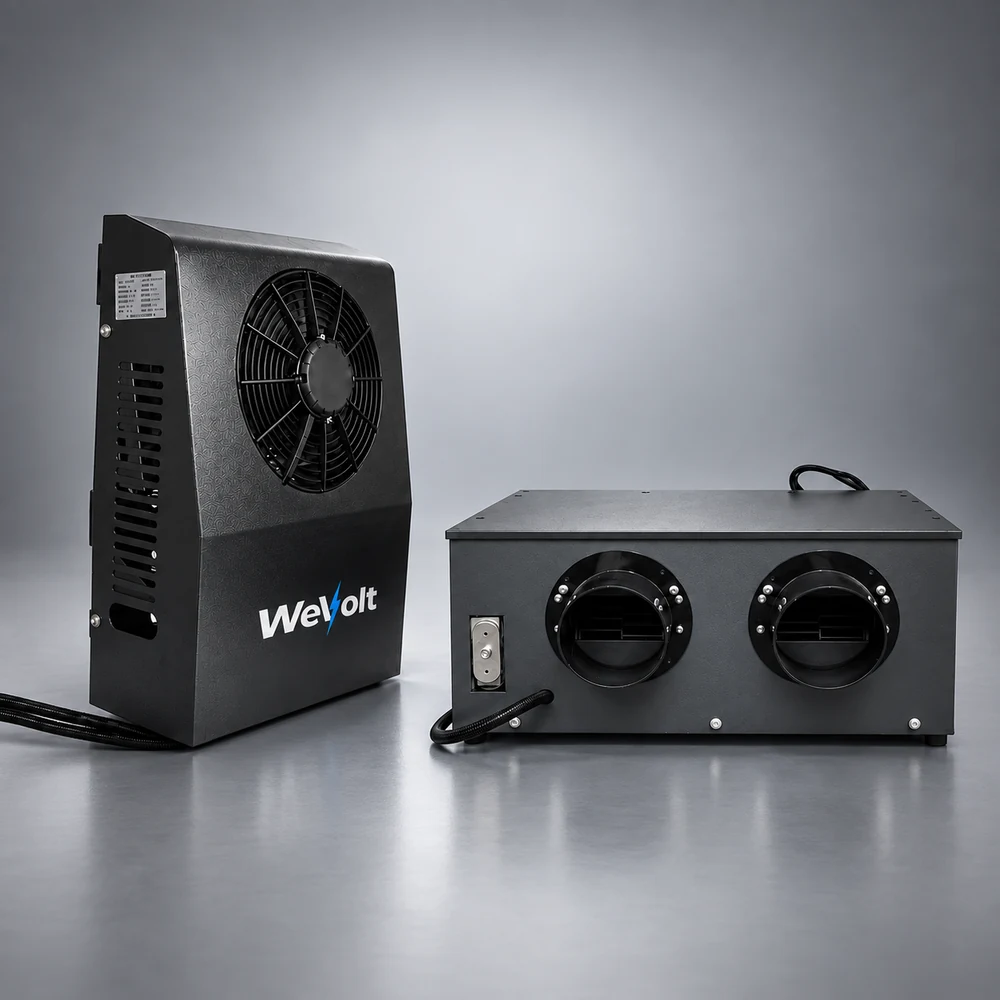
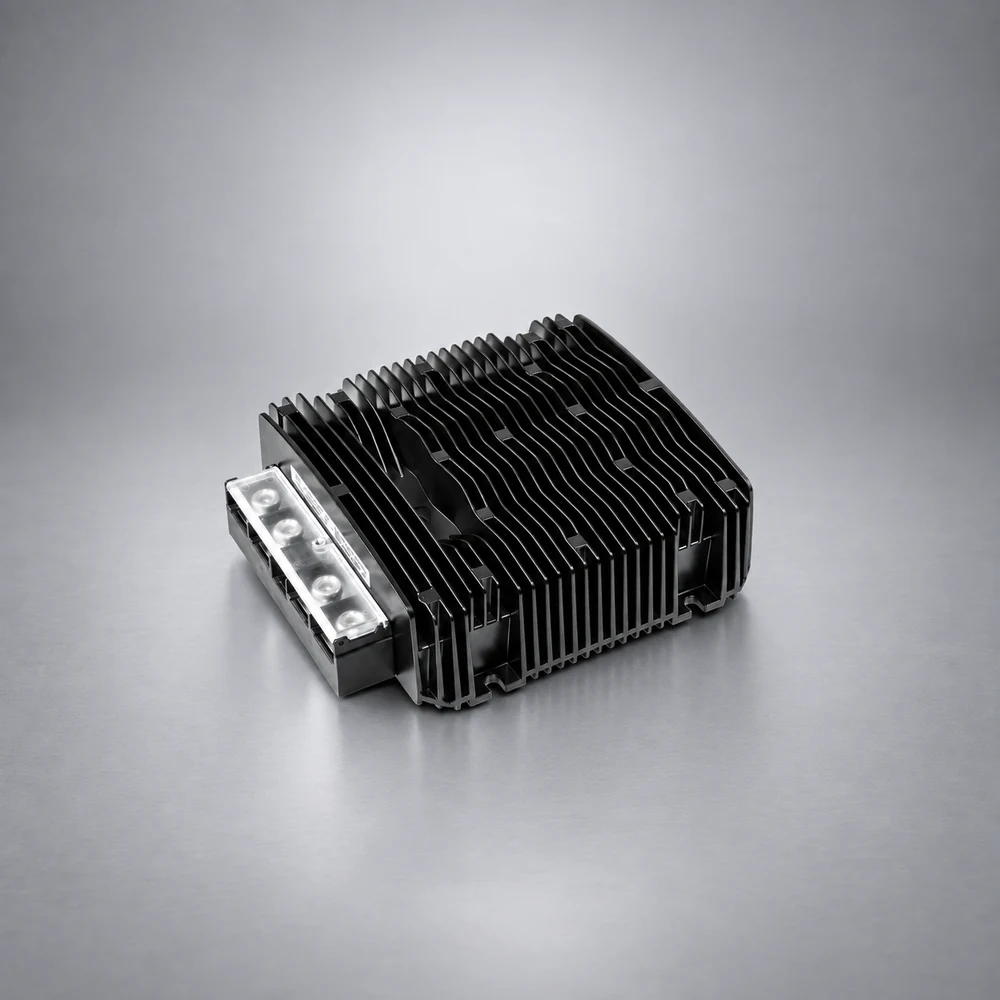
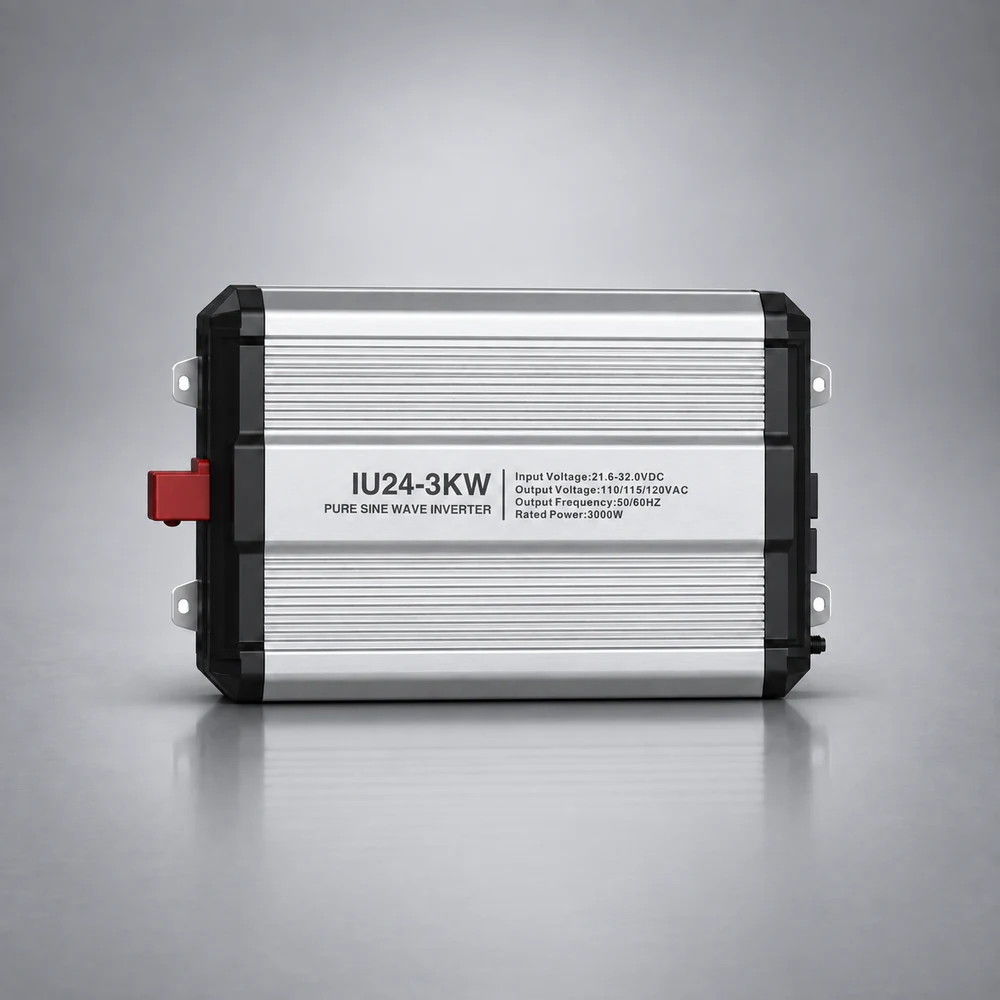
The WeVolt Apex eAPU is an 8.04 kWh (25.6 V × 314 Ah) parking power system. A bidirectional DC-DC converter tops up the battery while driving (up to 29.2 V/50 A forward, up to 14.4 V/100 A in reverse, adjusting automatically with battery voltage). When parked, it runs the air conditioner and hotel load through the night with the main engine off, so there is zero idling. The air conditioner delivers 10,000 BTU of cooling and 5,500 BTU of PTC heat; during the stop there is no exhaust and far less noise, and the rest is different.
In extreme cold, an optional diesel-fired auxiliary heater provides backup; we do not claim one system covers the entire winter. In practice, shut off the main engine and switch to the e-APU before entering an idling-restricted state or city, and confirm the APU exemption terms on the routes you run most, keeping the paperwork in the truck.
Compliance path: running with the engine off means you never fall inside the idling definition, so you are compliant by design. What remains is to confirm the exemption terms on your routes and keep the proof.
How to check your own routes
A checklist you can use directly:
- 1. List your routes: write down the states and cities you run often, including stops.
- 2. Look up limits and fines: on ATRI or IdleBase, find the minute limit and fine range for each jurisdiction.
- 3. Confirm the APU exemption: check whether that jurisdiction lists APU Allowance, and whether a weight exemption applies.
- 4. Equip and document: fit the e-APU and keep compliance paperwork (such as the CARB sticker where it applies).
- 5. Shut off in restricted zones: turn off the main engine in restricted areas and let the e-APU carry the load.
For routes crossing state lines, prepare for the strictest state. School, hospital, and residential zones are often tighter than state law, so pay attention when passing through them.
Summary and next steps
Most states cap commercial-truck idling at 3 to 5 minutes, fines run from a few hundred to over ten thousand dollars, and an APU often earns an exemption. The electric e-APU runs with the engine off, so it never enters the idling definition; compliance is the cleanest, and you also save fuel, avoid fines, and sleep better. Rules change, so rechecking your frequent states once a year is the safe habit.
To keep reading:
- Why idling keeps getting more expensive → Why More Truckers Are Ditching Idle (the real cost of idling)
- Payback combining avoided fines and saved fuel → Is an Electric APU Worth It
- Full options → Truck APU Solutions Compared / What Is an Electric APU?
- Parts and quotes → [email protected]
References
- ATRI, "Compendium of Idling Regulations", June 2025 (Cab Card): the standard for state/county/city limits, fines, and APU exemptions.
- EPA, "Idle Reduction" / AFDC, "Long-Haul Truck Idling": 0.8 gal/h idling, 1,800 hours and 1,500 gallons per year, idle reduction alternatives paying back in as little as 6 months.
- CARB "Certified Clean Idle": NOx ≤ 30 g/hr standard, 40 CFR 1036.136, sticker exemption mechanism.
- Clean Cities IdleBase (cleancities.energy.gov/IdleBase): state, county, and city code database.
- U.S. Department of Energy state recognition table for APU weight exemptions.
- WeVolt product documentation: Apex eAPU 8.04 kWh (25.6 V × 314 Ah), WTDC-12-24V-50A bidirectional DC-DC converter (up to 29.2 V/50 A forward, up to 14.4 V/100 A reverse), air conditioner 10,000 BTU cooling / 5,500 BTU PTC heat.
This article is a summary of public regulations and is not legal advice. Compliance depends on state, county, and city code or a lawyer's reading. Fines change year to year; confirm the latest status before relying on any figure.
Why truckers are leaving idle behindIdle reduction across a fleet, not one truck