
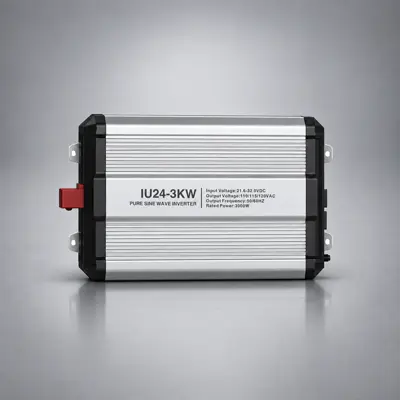
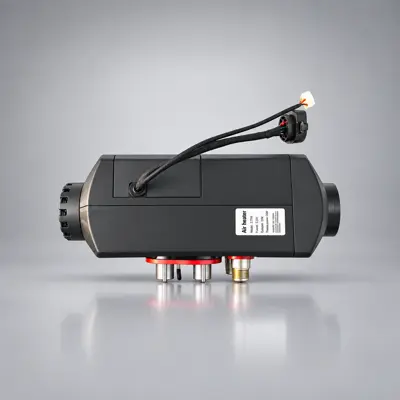
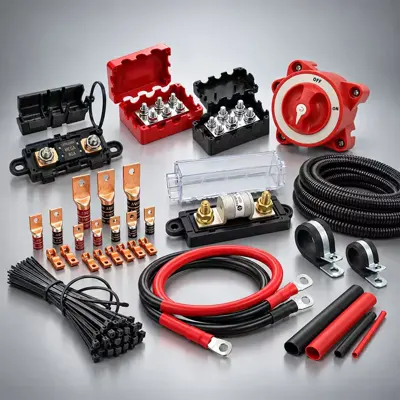

There is no single best APU for a semi truck — there is a best one for your duty cycle. By scenario, in 2026: the cheapest complete system is the WeVolt Apex Essential from $3,980; the best diesel for fleets is the Thermo King TriPac (~$14,500 installed, four-year major-component warranty); the best electric depends on your priority — price (WeVolt), warranty (Battle Born, ten-year battery), or dealer service (Thermo King Envidia); and extreme cold belongs to diesel APUs with a coolant loop, or to an electric APU paired with a fuel-fired heater.
An uncomfortable truth first: any list that crowns one "best APU" is an ad. An APU is not a phone; there is no annual flagship. A $14,999 Green APU Star is a good answer for a full-time long-haul driver and a waste of ten thousand dollars for a regional driver who sleeps in the truck two nights a week.
While assembling this guide we checked every "best APU" article we could find. They come in two kinds. Trade-media roundups lay eight units side by side with no prices and no verdict — the editorial discipline of offending no advertiser. Owner-voice lists are happily decisive, but their numbers fight each other: the same machine at $15,650 in one paragraph and $14,999 (the maker's own price) in another; diesel APUs at $8,000 in one article and $14,500 in the next. You are not reading a list; you are reading whose marketing budget is biggest.
Our rules, stated up front: every price is flattened to the installed basis and carries a source and a date (the full price table lives in its own guide); every pick comes with two verifiable reasons plus one scenario where you should not choose it; and WeVolt — the publisher of this site — appears where it genuinely wins and gets explicitly out-picked where it loses.
What an APU actually is, and how to read the specs: the 101 hub this guide hangs fromHow We Picked (and Why Most Best-APU Lists Fail)
Three selection standards — also the tools for auditing any list you are handed:
- One basis for every price. Bare-unit prices, eBay prices and "call for price" cannot share a table with new-unit installed prices. Every figure here is installed basis, from the same research as How Much Does a Truck APU Cost?
- Verifiable numbers. Every spec and price carries a source and a date. Warranty and configuration facts come from the trade press (fleetmaintenance.com, February 2026); prices from our November 2026 dealer-channel snapshot.
- Every pick ships with its boundary. Two reasons and one "do not buy it if" scenario. A recommendation without a boundary is an ad.
Why most lists cannot do this: trade roundups are bound by the rule of offending no manufacturer, so they can only list, never rank. Traffic-driven lists are usually written by people who have never installed a unit, so the numbers are assembled secondhand. The result, in the same corner of the internet: two articles quoting prices 40% apart for the same brand. The fastest credibility test for any list is whether it contains a section on what not to buy.
Still choosing a category before a brand? eAPU vs diesel vs parking AC vs battery-only — Truck APU Solutions ComparedBest Cheap APU: WeVolt Apex Essential
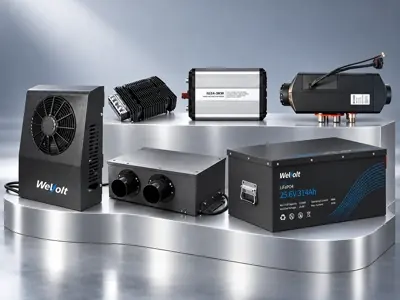
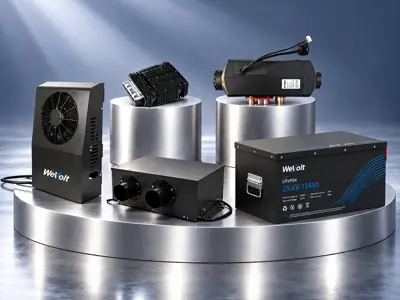
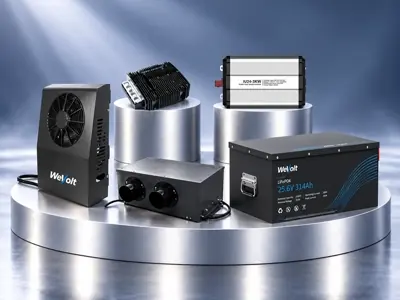
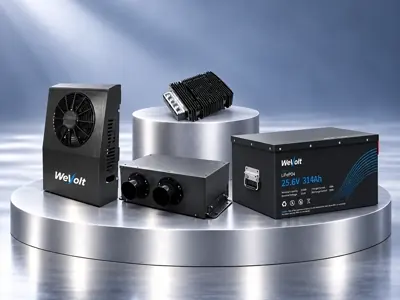
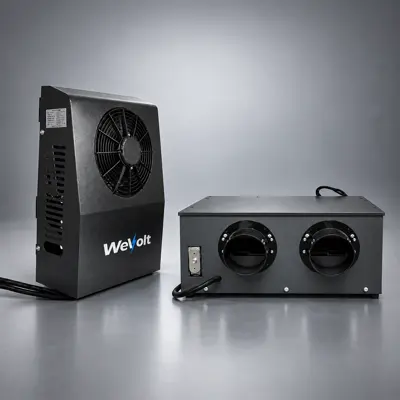
The pick: WeVolt Apex Essential, from $3,980, factory-direct.
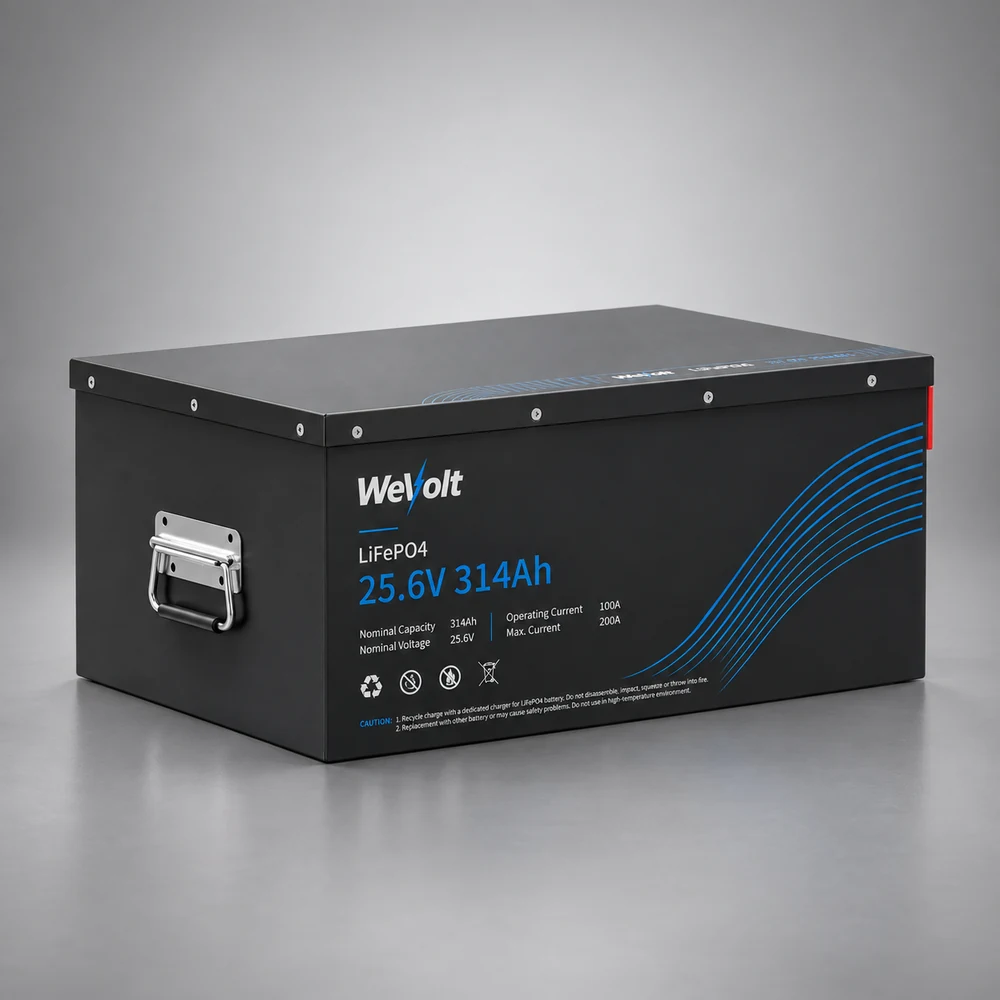
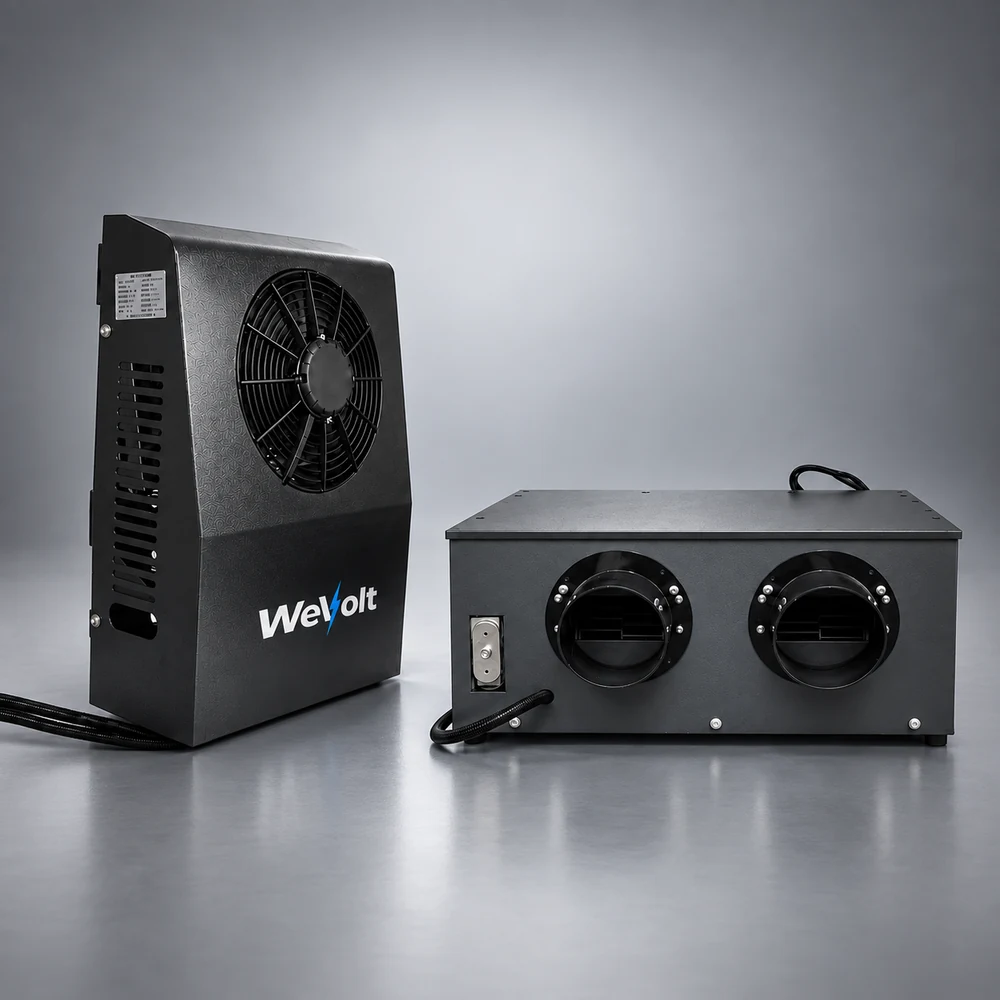
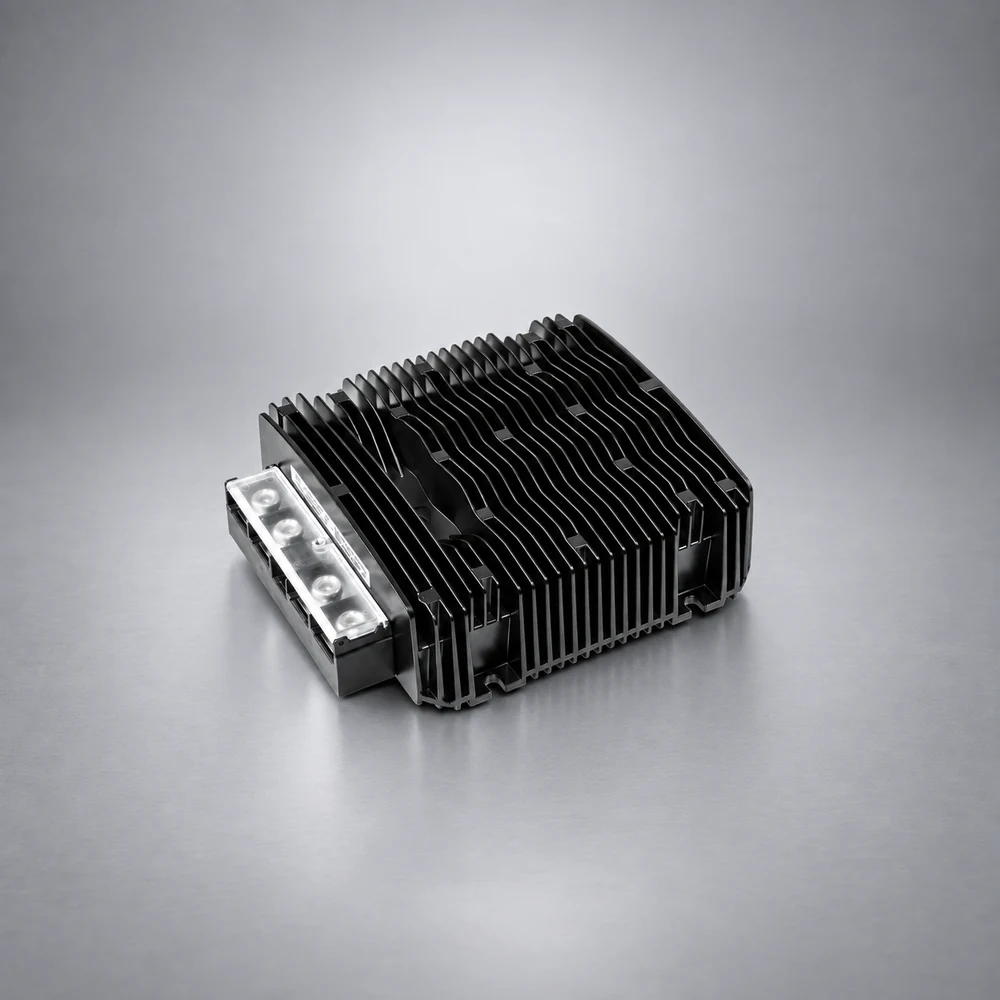
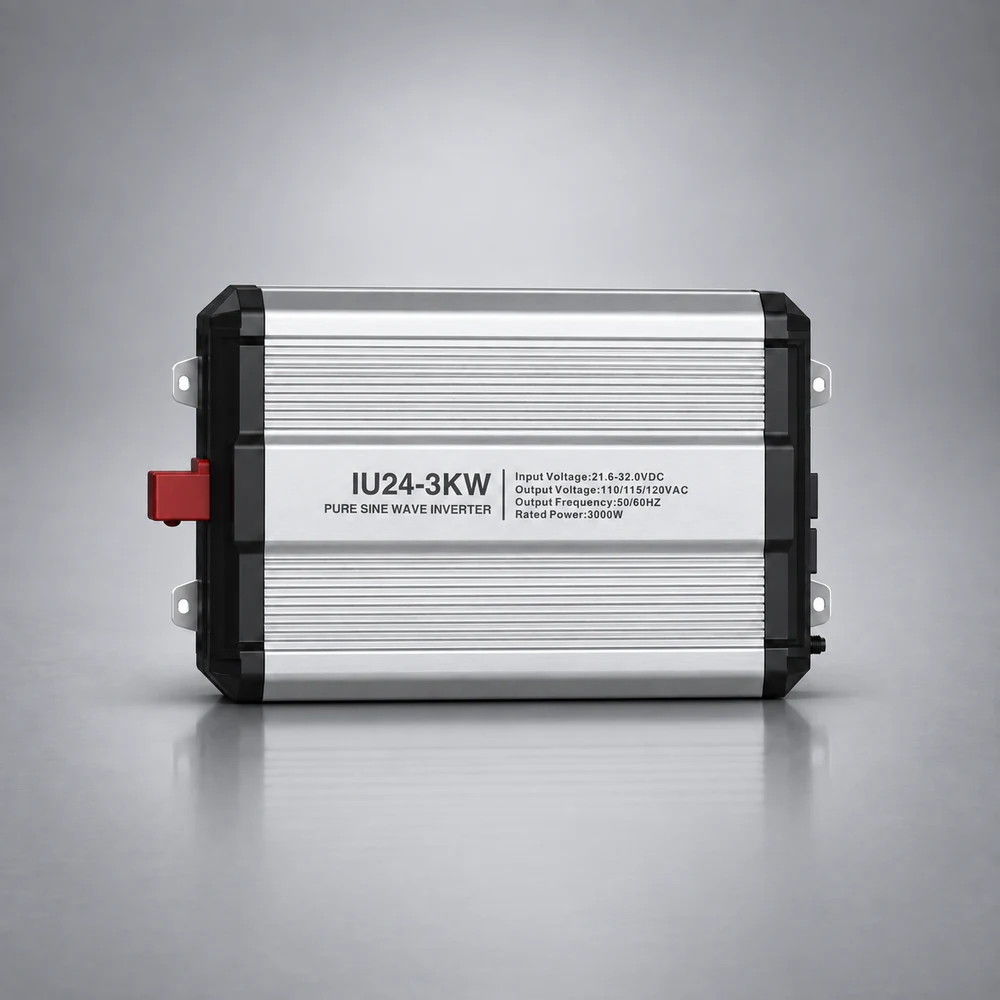
- It is the lowest price for a complete system. Cooling (10,000 BTU), heat (fuel-fired heater optional), power (3,000W continuous pure sine), and charging (1,500W bidirectional DC-DC) — all four solved. Cheap does not mean spending the least; it means every dollar buys complete function. In the four-addend price model (components + integration + installation + channel), factory-direct deletes the channel addend.
- The math clears. On the conservative basis — idle fuel $6,400 a year, 75% net savings ≈ $4,800 — the $3,980 entry pays back in about 10 months, the fastest payback of any option on this page.
When not to choose it: regional routes with less than one night a week in the sleeper. Your problem is heat, not cooling-plus-power; a fuel-fired heater and a battery pack ($2,000–5,000) is the correct answer, and a complete APU would be waste.
Three alternatives on the cheap path, each with its price tag beyond the sticker:
- Warrantied used: the dealer channel carried units at $5,250 installed with warranty in November 2026. A legitimate way to save — if the unit passes three checks: hour meter, warranty transfer, and California emissions compliance. Any one of them vague, walk away.
- The forum DIY ($450–515 generator builds): the classic owner-operator move, and a clear no from us — carbon monoxide risk, noise ordinances, square-wave power that eats appliances, and no APU exemption under any anti-idling rule. The ten thousand dollars saved may get repaid in fines and worse.
- AGM-battery electric systems (the $7,500 tier): cheap but backwards — AGM cycle life and weight sit on the wrong side of lithium. You save once and pay weight and replacements forever.
Best for Fleets: Thermo King TriPac (Diesel) / WeVolt Apex (Electric)
A fleet's selection logic is not an owner's: service radius beats unit price, and downtime beats spec sheets. So this section gives one pick per camp.
Diesel pick: Thermo King TriPac (~$14,535 installed, a dealer-published price). First, service radius — nearly 200 North American dealers, so wherever a truck breaks, system service is nearby; the 2026 trade roundup adds a hard fact: four-year warranty on major components, and a new metal-mesh aftertreatment that regenerates in as little as eight minutes. Fast regeneration means less downtime, and fleet downtime is money. Second, the ecosystem: technicians everywhere can work on it and parts are everywhere. The most expensive thing in a fleet is a driver parked on the shoulder waiting for a brand-specific tech.
When not to choose it: a 3–5 truck operation with tight cash. $14,500 per unit with no negotiating radius — the electric direct-purchase route or the grant route below fits better.
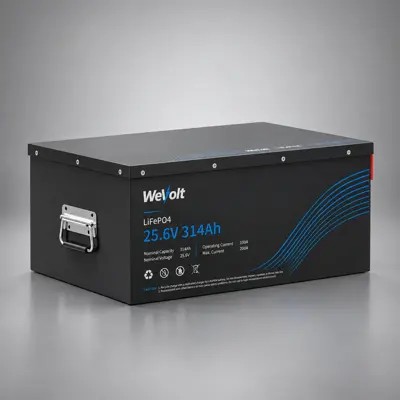
Electric pick: WeVolt Apex (B2B direct). First, one architecture: the whole fleet on the same 24V spec, zero configuration drift between trucks — fleet complaints start with "his unit cools better than mine." The per-truck TCO basis is about $4,800 a year saved, multiplied by fleet size. Second, a short procurement path: factory purchase with no per-unit dealer negotiation, and standardized installation and training in one pass.
When not to choose it: a fleet that has already built its own diesel-APU service bench, with technicians who only trust diesel. Retraining and tooling belong in the total cost, and not every fleet should be an early adopter.
- Polar Fox fleet trial: fleets of 50+ trucks can trial one unit free — a zero-risk entry worth writing into any procurement process.
- DERA federal grants: the 2026 DERA national funding round is roughly $180 million and explicitly covers verified idle-reduction technologies, electric APUs included, with applications due January 22, 2027; state-level DERA programs carry another 30% of annual funding. Run the grant check before the payback math.
One cross-pick bonus dimension: technician-friendliness. Green APU's all-in-diagnostics controller needs no software or special tools, and Dynasys skips the coolant loop for faster installs — hidden weight in any fleet decision.
Running TriPacs already? The machine deep dive — repair costs, reset codes and the repair-or-replace rulesAnti-idling laws, DERA grants and the state-by-state rules that decide fleet compliance budgetsBest Electric APU: Four Picks by Priority
The electric camp has no single winner. Pick by what you refuse to compromise on:
Worth remembering even unfetched: DClimate Lithium Pro (6.7kWh, 5-year warranty, high-efficiency compressor) and RoyPow 48V (14+ hours, a 35dB quiet-operation figure, financing-based).
The electric camp's shared weaknesses, stated plainly: multi-night sits remain diesel's home turf (the 20-hour top configuration excepted; budget 70–80% of rated cooling for extreme heat); batteries carry a $3,000–5,000 replacement reserve somewhere in year four or five (industry planning basis); and winter heat on both sides of the market comes from a fuel-fired heater — electric is no exception. Before buying any electric APU, ask one question: how does it protect charging below freezing? (LiFePO4 discharges fine in the cold; charging below 0°C requires BMS protection.)
Why Electric APUs Cost $8K–$26K — where each of these price tags actually goes, component by componentReal-World eAPU Performance — runtime, cooling and charging tested rather than promisedBest for Extreme Cold: Diesel with a Coolant Loop
The pick: a diesel APU with a coolant loop — Thermo King TriPac or Carrier Aspen.
- A heat source that does not fear the cold. The pain of extreme cold is not a chilly bunk; it is a main engine that will not fire at 5 a.m. A diesel APU's coolant loop holds engine-water temperature all night and solves the cold start with it — Carrier's Winter Watch mode and block-heater supply exist precisely for this scenario (trade-roundup basis).
- Heat that never routes through the battery. Fuel is the heat source, immune to low-temperature battery fade. On a -20° night the reliability order is: mechanical heat source, then everything else.
The correct electric posture in extreme cold: give cooling to the battery and heat to a fuel-fired heater (Webasto or Espar, $1,600–2,800). That is not a compromise — it is the whole industry's standard winter practice, diesel APU owners included. Pure resistance heating is a battery disaster. The full argument is in Diesel Heater vs Electric Heating.
Two battery facts for the cold-file: LiFePO4 holds discharge performance well at low temperatures (fleet winter-reliability reporting), while charging below 0°C requires BMS heating protection — ask, always. And lithium in truck duty at -20°F is already proven at the starter-battery level (Ionic's 1800-CCA test basis), so low-temperature lithium is a validated fact, not a bet on new technology.
One line of balance for extreme heat: owner reports have a TriPac working through 115°F in Laredo (single-source, for what it is worth). Size for the worst climate you routinely run, not the average one.
When not to choose the diesel: extreme cold on a tight budget. A Webasto/Espar heater plus a battery bank solves eight tenths of a polar night (heat and power); the remaining two tenths — cooling — the winter does not want anyway.
Diesel Heater vs Electric Heating — the full winter-heat argument behind this pickThe Picks Table: One View
Before You Trust Any List: Run the Numbers
A list is someone else's experience; the math is yours. Three steps:
- Baseline your idle: idle hours × 0.8 gal × fuel price. Eight hours, 250 nights, $4 ≈ $6,400 a year — the number every option has to beat.
- Compute payback: equipment price ÷ net savings (electric, conservative basis: 75% ≈ $4,800 a year; diesel: subtract roughly $1,600 a year of fuel and $1,000 of service first).
- Ask the six questions on any quote sheet: all-in price, warranty counted in hours or years, proprietary parts, service points on your lanes, service budget per 1,000 hours, battery or fuel tank — the full version is Section 10 of the price guide.
One closing line for the still-deliberating: the best APU is the one installed on the truck, not the one you are still researching six months from now. Every idled night burns $25.60, and the longer the list, the more it burns.
Run your own numbers: idle hours and fuel price in, annual savings, payback and CO₂ outFour scenarios, four answers, one table. Compressed to a line: fleets buy ecosystems (Thermo King), single trucks buy duty cycles, extreme cold buys heat sources, and everyone should run their own numbers first.
WeVolt takes two of the picks above (cheapest complete system, fleet electric) and loses two outright: battery warranty to Battle Born's ten years, dealer network to Thermo King's two hundred stores. We win price and transparency only — $3,980 factory-direct, every spec traceable to a component. A list earns trust by writing its own boundaries plainly.
- 1Fleet Maintenance — top diesel and electric APUs for 2026 (Feb 2026) fleetmaintenance.com
- 2Peak Thermo King — dealer-published TriPac installed price peakthermoking.com
- 3Polar Fox — FAQ pricing and fleet trial program polarfoxapu.com
- 4EPA — DERA national grants ($180M round, applications due January 22, 2027) epa.gov
- 5Electric APU — public price list electricapu.com